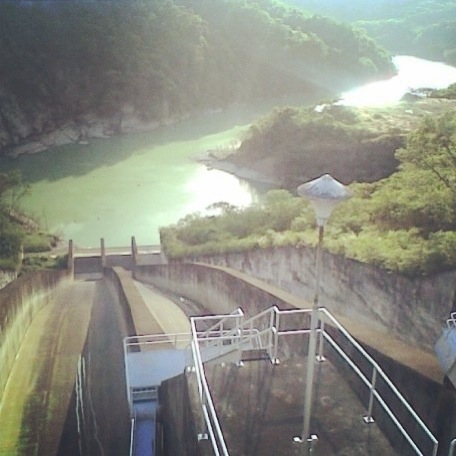
The first dam I ever saw in full in my life is Pantabangan Dam in Nueva Ecija. This photo was taken in 2009, back when having a 3.2 megapixel Nokia phone was the in thing. 🙂 Pantabangan Dam is a multi-purpose dam / water reservoir that’s used for hydroelectricity generation, irrigation water for farmlands, and household water supply. I think it’s also used as catchment basin (or reservoir) for rainwater. Its water comes from two sources, I just can’t remember their names. (Help from NIA colleagues please!) When we were there, the Pantabangan Dam and it’s water (after the spillway — it’s not a slide!) was so still and it’s mostly green colored, which I am guessing is either a reflection of the trees, or moss. Either way, I found (actually find) it really beautiful. >
I wasn’t born yet during the Marcos regime but stories have of course reached me through history lessons and personal discussions among family, friends and colleagues. What I didn’t know, however, is that there existed a Malacañang of the North, located in Marcos’ Ilocandia (Ilocos) stronghold, apart from the President’s Mansion in Baguio. And that, behind the imposing facade of the Malacañang of the North awaits in peace and serenity the Paoay Lake. It’s probably one of the biggest man-made lakes…ever. The Paoay Lake was really a beautiful sight and it was really calming and relaxing, just staring blankly at it. I recently watched a video on the Paoay Lake Regatta happening in June — maybe something for you and me to see! It was in 2011 since I last set foot in Ilocos Norte. Perhaps it’s time to return!>
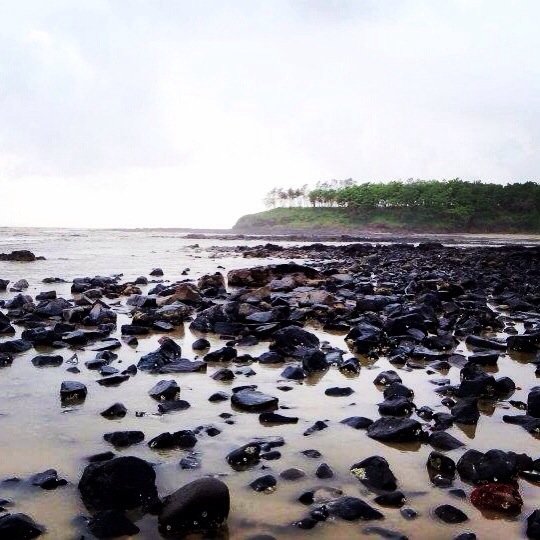
Bordered by the Arabian Sea, Kashid Beach is a popular destination, especially from weekend escapists of Mumbai. It’s about 3 hours from Mumbai, with more than 90kms of plains, mountains and valleys to be seen along the way. Apart from the beach, Alibag is also popular for its forts and some temples. It’s kind of a hillside or hilly area so the weather is cold and quite nice. We went there on July 2012 (my good friend Sravan from CS invited me to their company team thing) and it was awesome! Kashid beach itself is nice enough, especially when you’re looking forward to some playtime with the waves. Be warned, however, that you might need a massage session after! The photo I chose for Kashid beach is actually one of the most photographed scenes and very recognizable to Indian travelers and nature trippers. If you want to see more photos and read more about our playtime at Kashid beach, visit my blog on living in India. 🙂 >
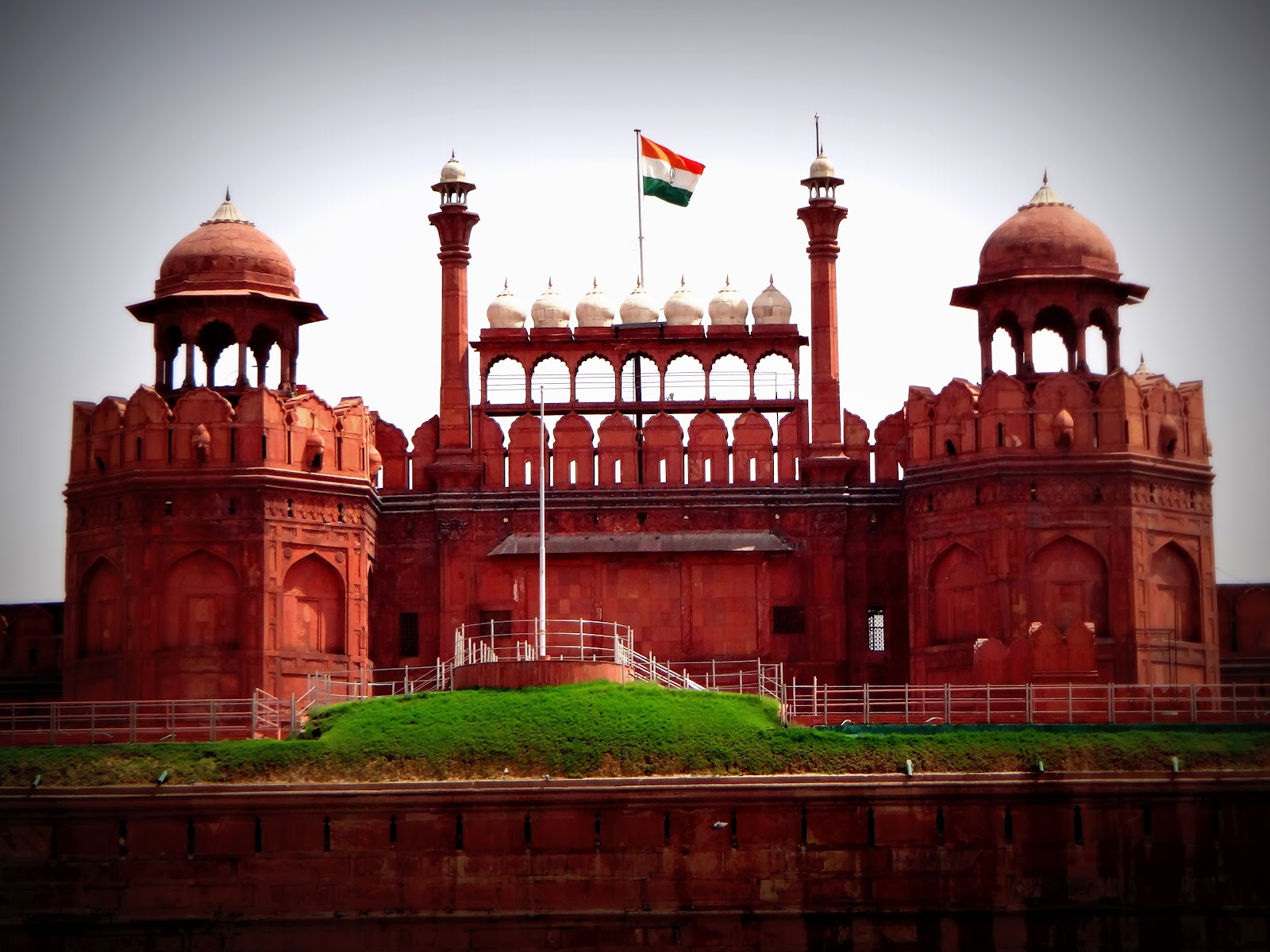
Reblogged is a series of blog posts on my life in India coming from the weblogs I set-up. It’s an attempt to put the stories all in one place! The post Old Delhi Red Fort – seat of the Mughal Empire was originally posted on May 29, 2012. I visited the Red Fort with my VSO co-volunteers Kevin and Rosie on March 12, 2012.
There was a time, long long long ago, when Muslims thrived in India. However, hundreds of years later, the Muslim population is now considered as one of the minorities in the contemporary Indian society. Nevertheless, the era of the Mughal Empire has been marked with several monuments like tombs, mosques and gardens.
Apart from these monuments and places of worship, the Mughal Empire also built the Red Forts to serve as their seats of power. I heard there are many red forts in India. One of the most famous is the Red Fort (Lal Quilla) found in Old Delhi.
Like most Filipinos, the first international travel I did was in Singapore, back in 2010. It was mostly a choice of Singapore, Bangkok or Hong Kong at the time. And since going to Singapore means easy access and a side trip to Kuala Lumpur, the choice was clear. Hehe 🙂 Clarke Quay in Singapore is probably one of its most photographed landmarks, especially from the angle where the Merlion, Singapore’s well-known symbol, stands in wait to greet the travelers. This photo, however, was taken while crossing the fascinating double helix / DNA bridge connecting the area of the Singapore Flyer and Marina Bay Sands. In late 2011, which was when I took it, the helix bridge was already built. Either way and either angle, Clarke Quay is such a sight both at daytime, with it’s clean and calm waters and floating tour boats, and night time, with the shining lights and bustling night life. If you thrive in the urban jungle but would at times seek the comfort of calm water scenes, Clarke Quay is a must-visit place whenever in Singapore! >
Life is short so take a leap of faith. Let’s wander, explore and discover. Come and journey with me.




 The Diarist Wanders