All posts by geralynrigor

I am a 30-something Filipina involved in development work. Much as I am in love with traveling, meeting new people and having new experiences, I find more passion in using my skills and talents in helping shape a better future for other people, especially the rural poor. It's a bonus that I get to travel while I do just that. And oh, I'm a real sucker for good food, especially the ones that look great in photographs. And yes, I really do want to change the world. :D

FotoFolio: Kailash Temple, Ellora Caves, Aurangabad

I spent the weekend on top of the world—well, on top of cliffs and mountain-plateaus to have better viewpoints of the Ajanta and Ellora caves, with the Kailash Temple as one of the highlights of my Aurangabad cave exploration!

Kailash Temple
View from the Top: Kailash Temple and its ornate designs and carvings, surrounded by the cliff from which it was made from (see the people climbing up?) and the garden/park

Here’s a basic description of the Kailash Temple, according to Wikipedia: Kailashnath Temple, also Kailash Temple or Kailasanath Temple is a famous temple, one of the 34 monasteries and temples, known collectively as the Ellora Caves, extending over more than 2 km, that were dug side by side in the wall of a high basalt cliff in the complex located at Ellora, Maharashtra, India. Of these 34 monasteries and temples, the Kailasa (cave 16) is a remarkable example of Dravidian architecture on account of its striking proportion; elaborate workmanship architectural content and sculptural ornamentation of rock-cut architecture.[1] It is designed to recall Mount Kailash, the abode of Lord Shiva.[2] It is a megalith carved out of one single rock. It was built in the 8th century by the Rashtrakuta king Krishna I.

Elephant and Pillar at Kailash
View from the left-side terrace (second level): massive elephant rock sculpture, towering pillar, and temple areas containing the Shiva lingam and Nandi (Shiva’s bull), adorned by carvings of deities, celestial nymphs, elephants, lion, dragons (and the mix of three creatures in one!)

And, according to me, the Kailash Temple is a magnificent symbol of millennium-old awesomeness of Indian architecture, religion and culture. The entire complex of Ellora Caves actually! Whenever you are in Aurangabad, a visit to the Ajanta caves (totally different area) and Ellora Caves is a must and marveling at the Kailash Temple is a delight. Now, climbing on top of the high basalt cliff from which the Kailashnath Temple is carved from? That is another experience altogether. If you can do that, you’ll see the Kailash Temple from a different angle and really, maybe you’d feel like Shiva looking over his worshippers!

Intimate Couples at Kailash Temple
If you are observant enough, or not yet overwhelmed by the number of carvings waiting to be admired, you will notice sculptures of couples in intimate scenarios

FotoFolio: Mahad on my Mind (Memories of Rural India)

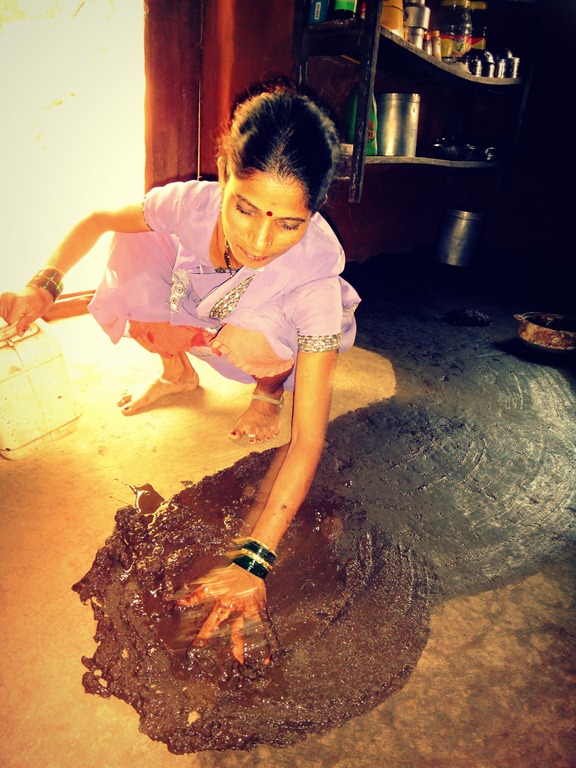
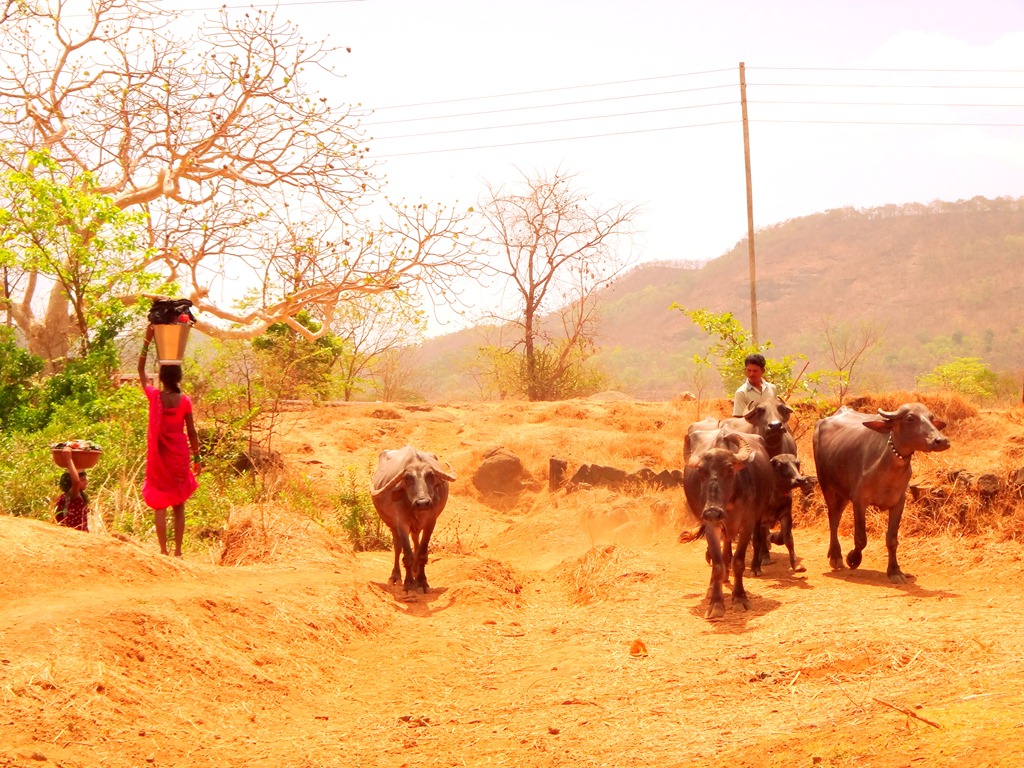
It was May last year when I first saw rural India, up close and personal. I was invited by my colleague Charu to celebrate a once-in-three-years festival at her native place Mahad in Maharashtra, India.

DSC01931

DSC01924

I wrote two blog posts about it (click for Part 1: A day in the Life and Part 2: Getting Up Close and Personal) at the Project 365 Blog developed with other VSO Bahaginan volunteers.

It was a great experience for me and I guess the nostalgia came over me so I felt the need to share some of the trip’s photos here with you. Smile

DSC02071

FotoFolio: Killing Fields, Phnom Penh, Cambodia

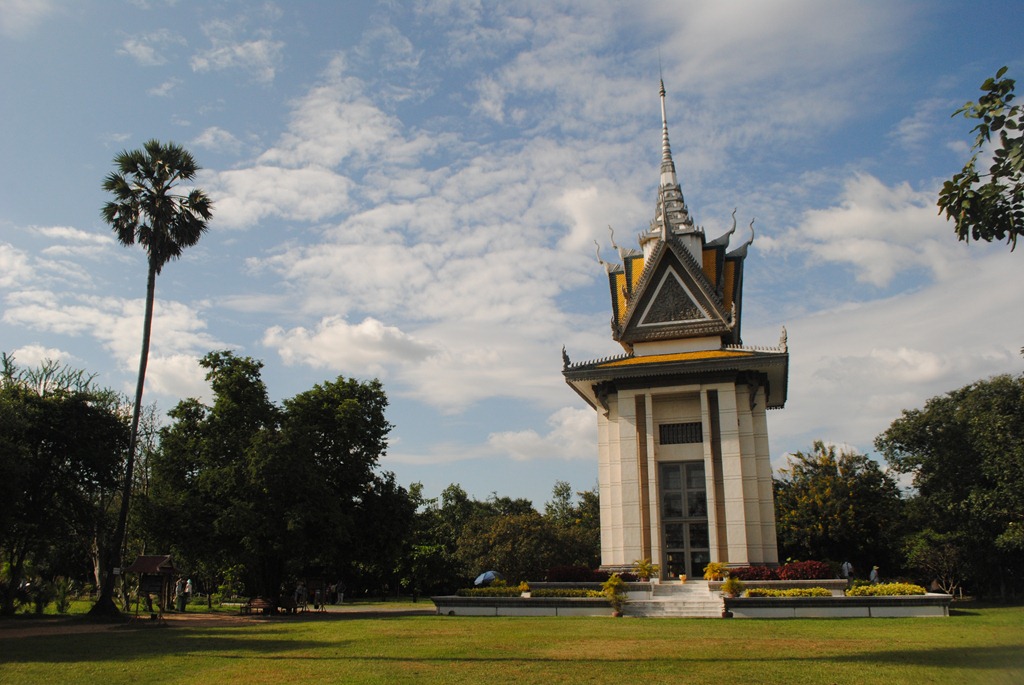
When people say Cambodia, the first thing that probably comes to mind is the famed Angkor Wat Temple Complex in Siem Reap. What most people don’t know though, or not even bother to know, is that more than the magnificent temples and ruins that leave you awestricken, Cambodia holds a darker, sadder and, albeit the different context, an equally jaw-dropping history—the Khmer Rouge regime and the horror of the Killing Fields.

Cheong Ek Genocidal Center (Killing Fields) Memorial Stupa
Cheong Ek Genocidal Center (Killing Fields) Memorial Stupa (How can something so beautiful be so tragic?)

Continue reading FotoFolio: Killing Fields, Phnom Penh, Cambodia

FotoFolio: Sunset at Guimaras Island

“The sun goes down, the stars come out. And all that counts, is here and now. The universe will never be the same, I’m glad you came.” – The Wanted, I’m Glad You Came

DSC_0595

Actually, this photo of the setting sun in the island of Guimaras in western Visayas was taken way before this song was released and I just thought it’s a nice intro. Smile

I am a big fan of sunsets (coz I can’t wake up early for sunrise) especially when the sea is close by. So when, in one of our official trips, me and my colleague had a chance to go for a four-hour side trip from Iloilo to Guimaras, we did not waste any time and boarded the passenger boat to the island.

Known mainly for the Guimaras mangoes (claimed to be the sweetest in the world), this small island province (actually several islands in the general bay area) also holds its own when it comes to its swimming beaches, caves and rock formations, and turtle conservation!

We barely noticed the time while sailing through its waters as Guimaras, for me, held such beauty, pure and untouched, radiating as the golden orange hues of the setting sun graces the sand, sea and sky. If ever you are in Iloilo or Guimaras or Western Visayas, a spectacular view of the setting sun is really an experience you must not dare to miss!

FotoFolio: Manila, I’m Coming Home

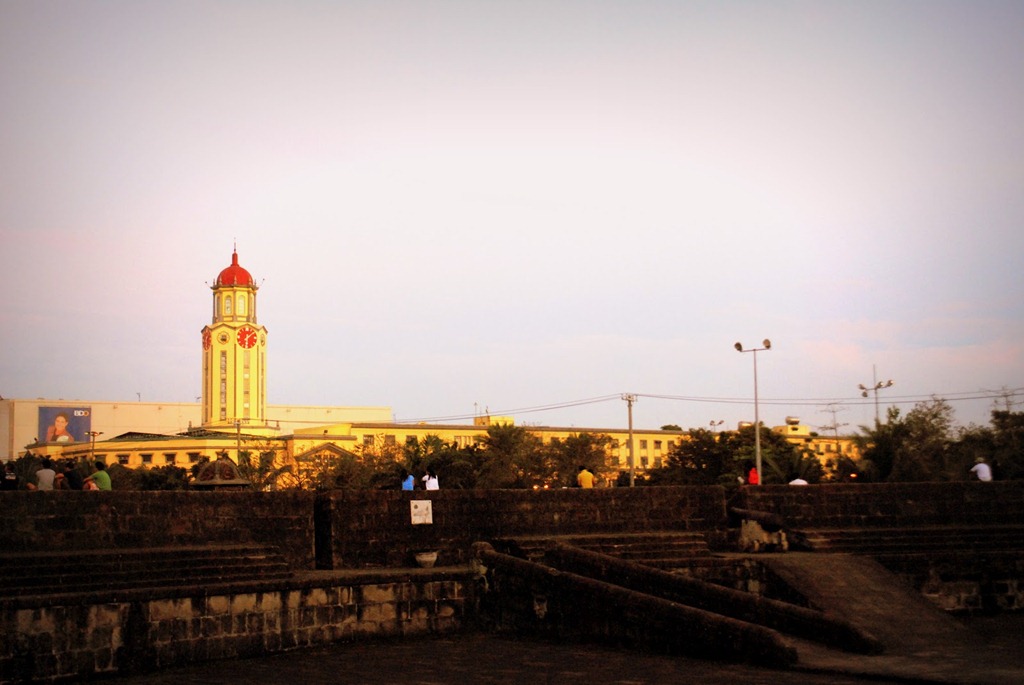
A few weeks before leaving for India, I went for a Manila tour as part of the In-Country Orientation of new VSO Volunteers from Canada. And of course, part of the tour is a visit to Intramuros, Manila, the old walled city.

Manila has been the Philippine capital since the time of the Spaniards, with Intramuros as its central seat of power.

Manila City Hall

So yes, though I don’t live in Manila, I dare say, “Manila, I’m coming home!”