Category Archives: FotoFolio

FotoFolio: Waling Waling, the Queen of Philippine Orchids (and Malagos garden Resort)

Did you take Sibika and Kultura classes wherein the teacher always discusses the “national something/someone” of the Philippines? I know it’s not the Philippines’ national flower (unless the Senate bill has been approved with an HoR counterpart) but being the “Queen of Philippine Orchids”, I’ve always wondered what the Waling Waling looked like in full bloom and splendid color.

Waling-Waling Dots

Waling Waling, scientific name Euanthe sanderiana after orchidologist Henry Frederick Conrad Sander, is found in Mindanao island. While it is endemic in Cotabato and Zamboanga del Sur provinces as well, it is more popularly known to be seen in Davao as more people “know” that Mt. Apo, Waling-Waling’s home, is in this province.

Waling-Waling Close-up

So, when we had the chance to visit Malagos Garden Resort, we did not miss the chance to have face-time with the “Queen of Philippine Orchids”. (Well, at least that’s what I thought I was seeing or taking a photo of. hehe)

Walling-Waling Cluster

It was mainly purple in color, with spots of a darker shade. I can’t remember how it smelled though, only what it looked like. I haven’t seen that much orchids in my life but really, the Waling Waling was a beauty to behold. I find it, uhm, detailed and intricate. In the sense that though the flowers essentially seem the same at first glance, a lingering look will prove otherwise.

Apart from the Waling-Waling, there are other flowers and orchids to see and admire at Malagos Garden Resort.

Yet-to-blossom flowers

Purple Orchid

There’s an area that serves as a playground both for kids and adults. I think Malagos also serves as a team building, retreat and/or camping venue. There’s also these huge chess pieces that you can play with, or have photos of. The chessboard is more of these squares spread over patches of grassy land.
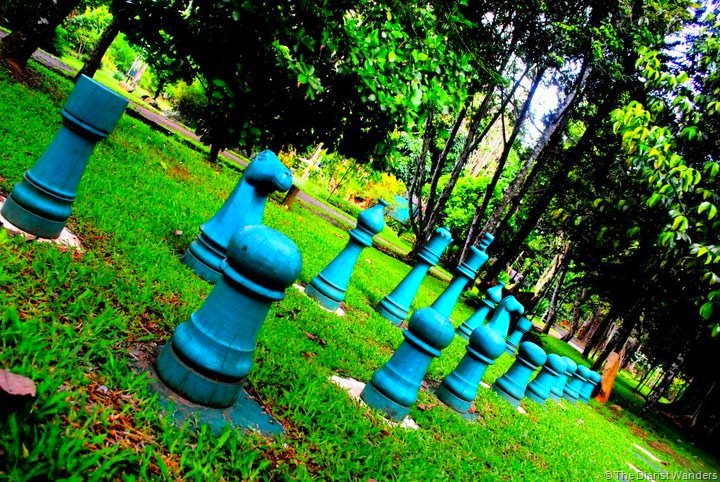
Chess Pieces

What I particularly liked at the Malagos Garden Resort area was the topiary of different forms and shapes. I am no gardener and neither is any of my immediate family members. But, I like landscapes, natural or man-made and the topiary at Malagos made me happy!
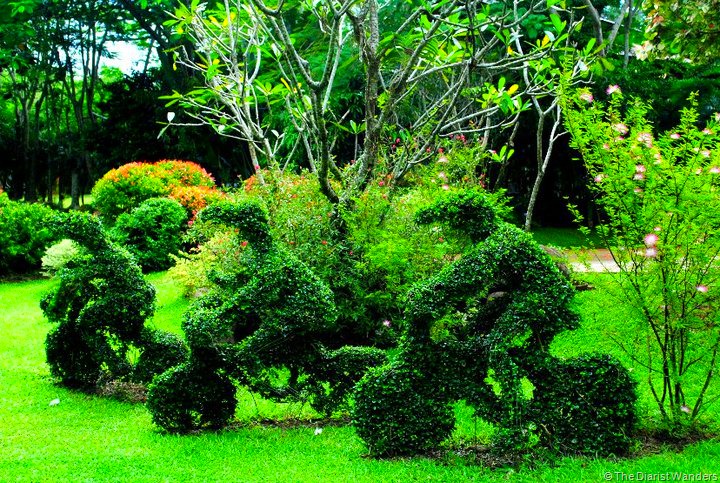
Bicycle Topiary

Family Topiary

So yes, whether you’re interested in seeing the Walling-Waling orchid for real or you just want a soothing green space to relax, a visit to Malagos Garden Resort as part of your Davao itinerary is hereby recommended!

My 25th Year in Travel

Yep, today is a personal post. I mean, of course, everything I share with you on this travel blog is from my personal experience but this one is different. It’s my birthday blog post! Today, I turn 26 and to commemorate the completion of my quarter life (assuming of course that I live to 100 years), I would like to share with you my 25th year in travel.

My 25th in Travel - Birthday Celeb at YUVA
Navi Mumbai, Maharashtra – 25th Birthday Celebration with YUVA Staff and Volunteers

Continue reading My 25th Year in Travel

FotoFolio: Philippine Eagle Center, Davao (eagles, and more!)

I was just looking at old photo albums in Facebook when I came across some photos of animals and plants, not to mention eagles, at the Philippine Eagle Center during the trip I made to Davao City with my brods and sisses from UPLB DevComSoc.

E - Eagles

Suffice it to say that it brought me down memory lane. So before I succumb to the nostalgia, I “hurriedly” selected some photos which I would like to share with you. They’re not all eagles, but of other flora and fauna as well. The Philippine Eagle Center, apart from being popularly known as home to Pag-asa (hope), the first Philippine eagle bred in captivity, is also the home for several other avian species (birds) and animals. And yes, insects and flowers too!

Pagasa

So, if you can’t go to Davao to watch these birds and insects and walk along the green pathways of the Philippine Eagle Center, I hope that some of these photos can somehow transport you and let you enjoy a visual wildlife (though no longer as wild) encounter!

Owl

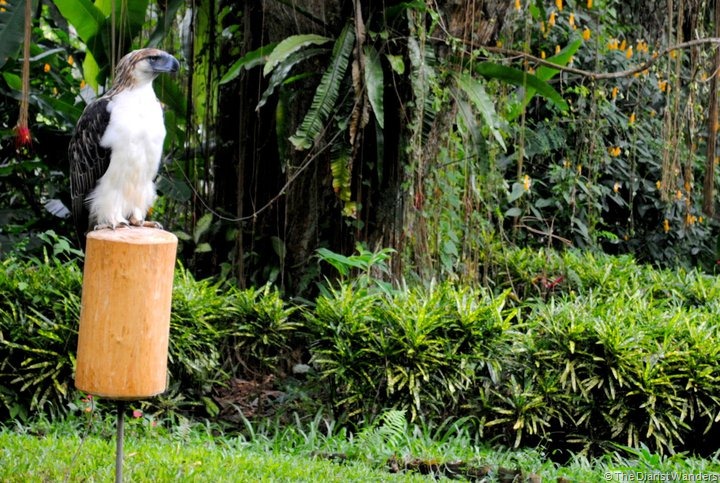
Monkey-eating Eagle

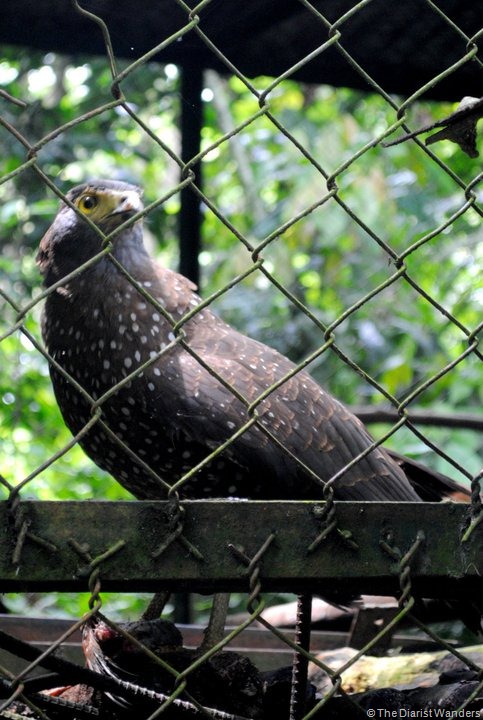
Bird with Dots

Eagle for Show

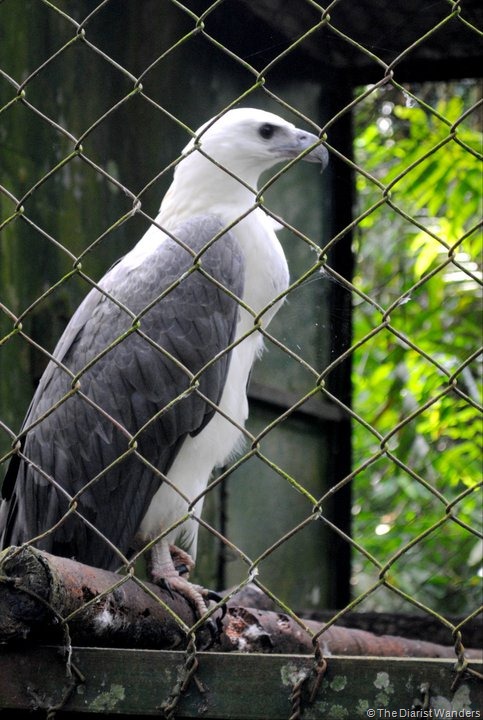
White and Grey Bird

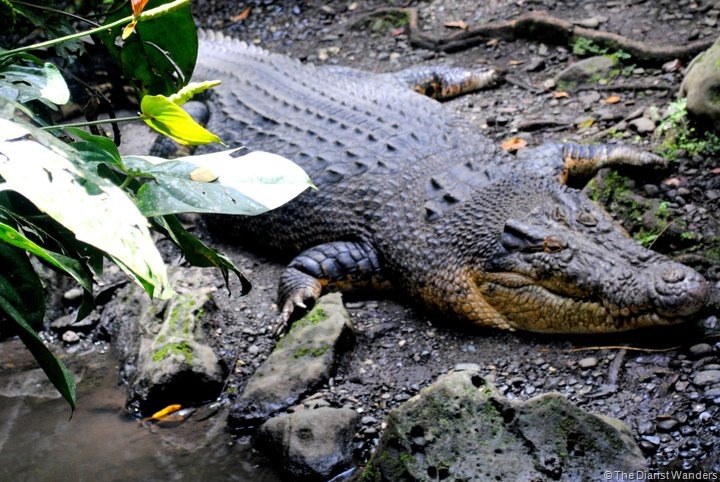
Crocodile or Alligator

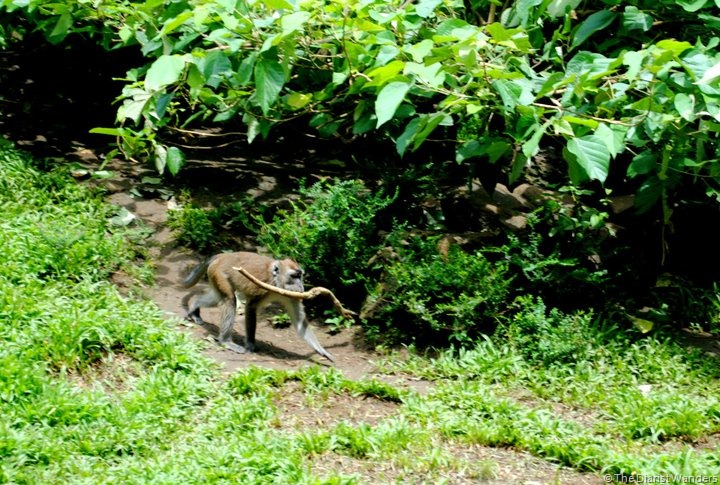
Monkey and a Stick

Pathways

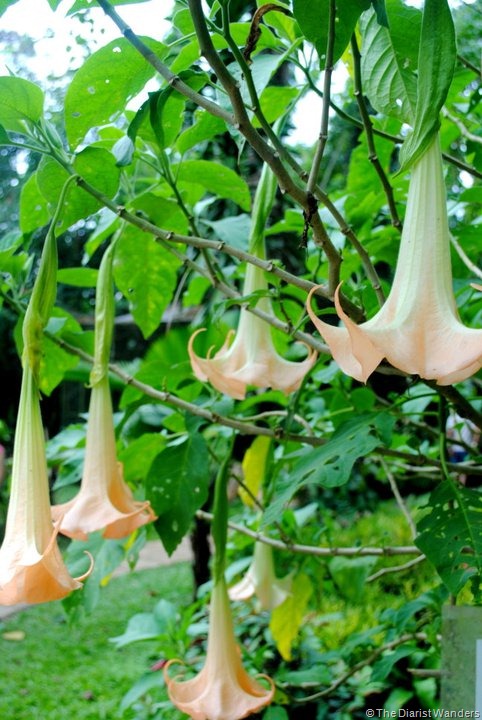
Hanging Bells

Flower and Ants

Moth on Leaf

Mating Butterflies

Orange Butterfly on a Flower

If you enjoyed this visual tour of the Philippine Eagle Center, wait till you actually see the eagles and animals and walk through it’s pathways! These photos were taken almost two years ago and for sure, there’s more to see at the Philippine Eagle Center now, especially after Pag-asa and Kalinawan gave birth to another eagle!

FotoFolio: Walking Tour of South Bombay (Images of Colonial Mumbai)

I miss Mumbai. There, I said it. I lived in Navi Mumbai (New Bombay, totally different twin city) and I would go to South Bombay (aka SoBo) whenever me and my friends  would go out for dinner and drinks. Why SoBo and not in Bandra, the party/gimik capital of Mumbai? I think it’s mainly because it is more accessible and hanging out in Colaba has a more chill vibe. Not to mention, I personally find South Mumbai more pleasant to walk through, with more character and history than the upscale Bandra area.

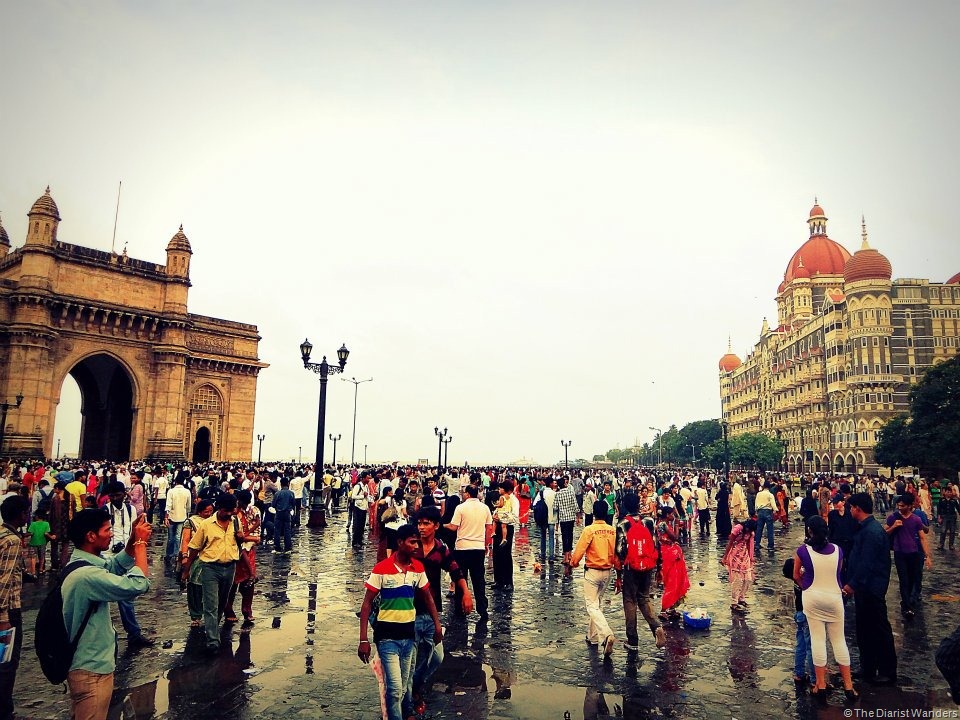
FotoFolio - South Mumbai - Gateway of India and Taj Hotel
The Gateway of India and The Taj Hotel

Needless to say, South Bombay and Colaba is also the most touristy. But hey, when you live in the city, you don’t really mind the mix of the local and foreign crowd. You enjoy it. People-watching and all. Being a foreigner myself, though I am not as tourist as the newly-arrived ones anymore, I always find something new to discover in Mumbai.

Anyway, I am not in a talking (writing) mood much today. Unless I want to end up too nostalgic to function. Haha. Therefore, I would jus want to share with you the images of Colonial Mumbai. I always call South Bombay the British area, primarily because the structures you would see closely resemble what you would find in London. I think (as referenced to movies and TV series).

I’ve included here a series of photographs, showing these British colonial structures. I tried my best to put them in the walking order, although my memory might be messed up already since there were some turns during these several walkthrough of South Mumbai.

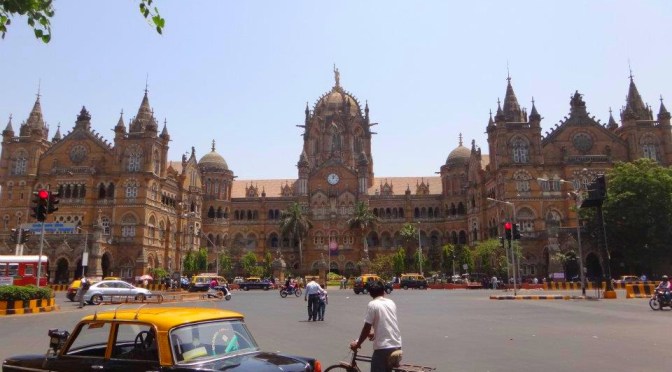
FotoFolio - South Mumbai - Chattrapati Shivaji Terminus
Chhatrapati Shivaji Terminus (CST, formerly known as Victoria Terminus) is a UNESCO World Heritage Site and the main railway terminal for local and inter-state trains
FotoFolio - South Mumbai - BMC
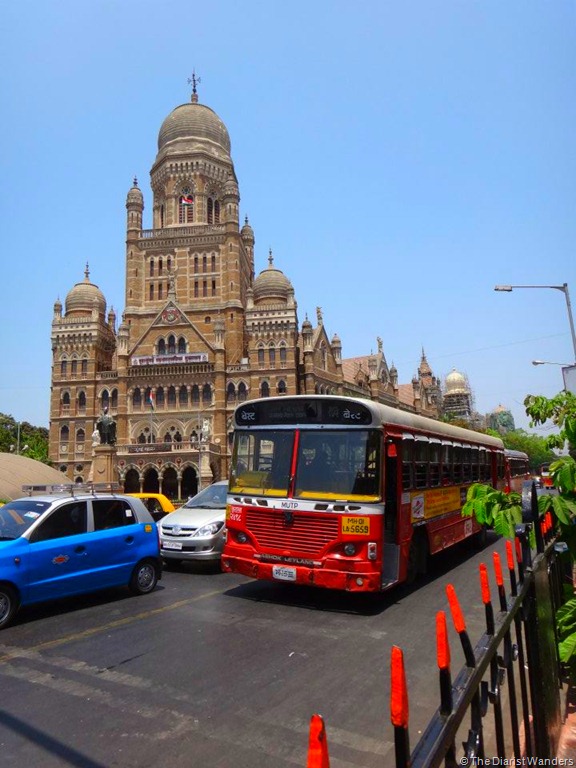
Birhanmumbai Municipal Corporation (BMC) serves as the City Hall (sosyal!). It’s on the left side if facing CST
FotoFolio - South Mumbai - Unidentified Building
I can’t be sure if this is still part of CST but it is behind the CST facade area
FotoFolio - South Mumbai - Unidentified Buildings
These colonial buildings house modern establishments and banks
FotoFolio - South Mumbai - Sculpture
Several unidentified sculptures form part of one building’s foundations
FotoFolio - South Mumbai - Churchgate Area
I am not sure if this is the Churchgate Railway Station. If it isn’t, then it must be the building across the road
FotoFolio - South Mumbai - Hutatma Chowk
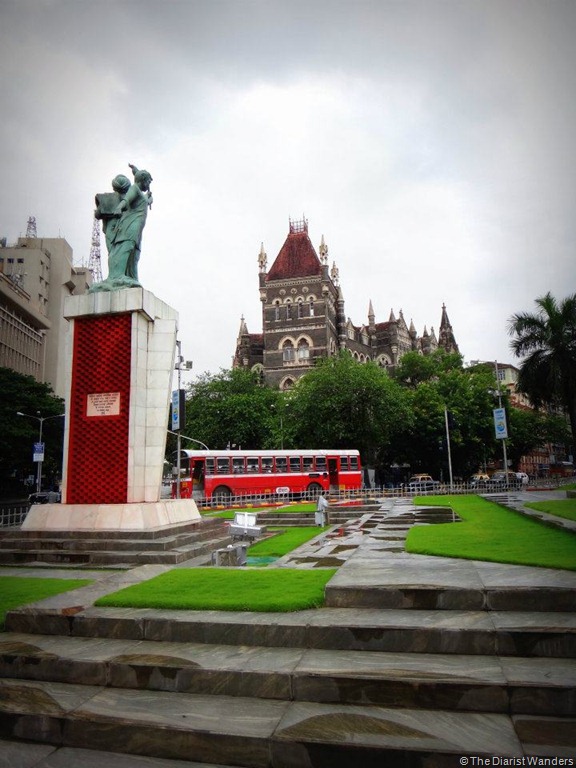
Hutatma Chowk (Martyr’s Square) is found at the center of South Bombay. Easily accessible from Churchgate Station
FotoFolio - South Mumbai - Hutatma Chowk - Martyrs
The Hutatma Chowk memorial, as far as I have heard, was to commemorate the lives of the martyrs during the Maharashtra and Gujarat separation (correct me if I’m wrong!)
FotoFolio - South Mumbai - Hutatma Chowk - Flora Fountain
Flora Fountain, built in 1864, is one of the most photographed landmarks in South Bombay. Sorry, no more water flowing through. 😦
FotoFolio - South Mumbai - University of Mumbai
University of Mumbai (Fort Campus) was established in 1857. It’s mong the oldest universities in India
FotoFolio - South Mumbai - Rajabai Clock Tower
The Rajabai Clock Tower, completed in 1878, is called Little Ben as it was patterned to the Big Ben in London
FotoFolio - South Mumbai - David Sassoon Library
David Sassoon Library, built in 1870, is another main landmark in the Kala Ghoda area. I never entered the library.
FotoFolio - South Mumbai - Prince of Wales Museum
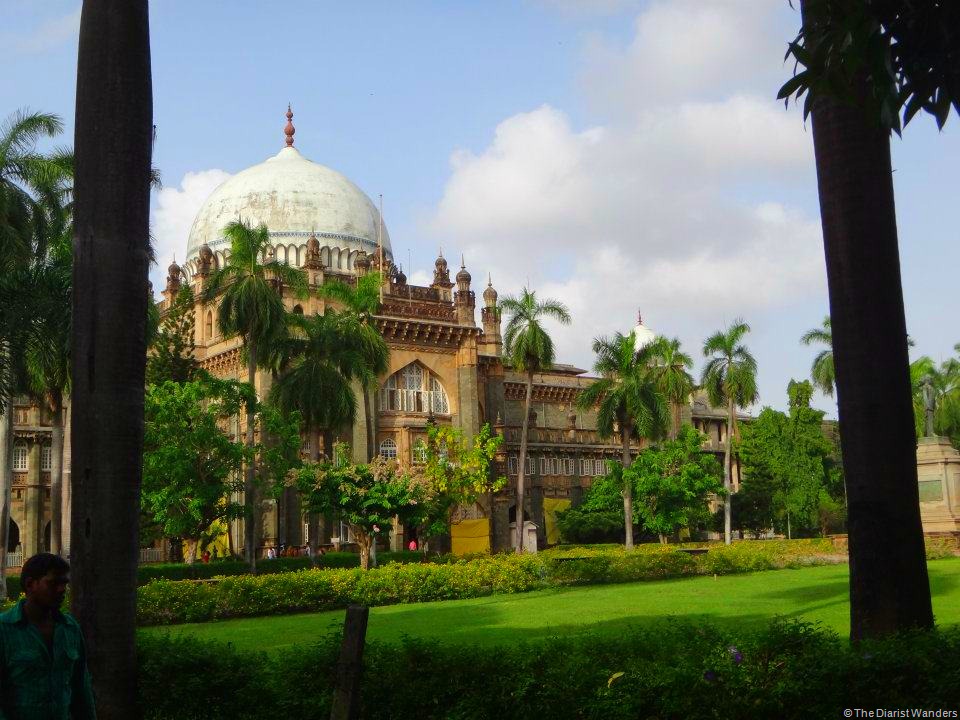
The Prince of Wales Museum (officially renamed as Chhatrapati Shivaji Maharaj Vastu Sangrahalaya) houses artifacts, sculptures, painting, china and other art collections. I think it’s under the patronage of the Tatas. (Entry Rs 300 for foreigners, Rs 50 for Indians. Camera fees apply)
FotoFolio - South Mumbai - Colaba Crossing
I don’t know who the statue is for or what is the building. But I’m sure this is after the museum and towards the Colaba area
FotoFolio - South Mumbai - Gateway of India
The Gateway of India (not to be confused with the India Gate in New Delhi). Built from 1911 (primarily to commemorate the visit of King George V and Queen Mary) to 1914, the Gateway of India is perhaps the most visited and photographed monument in Mumbai. The boats leaving for Elephanta Island is found at the back of the Gateway of India.
FotoFolio - South Mumbai - Taj Mahal Hotel and Arabian Sea
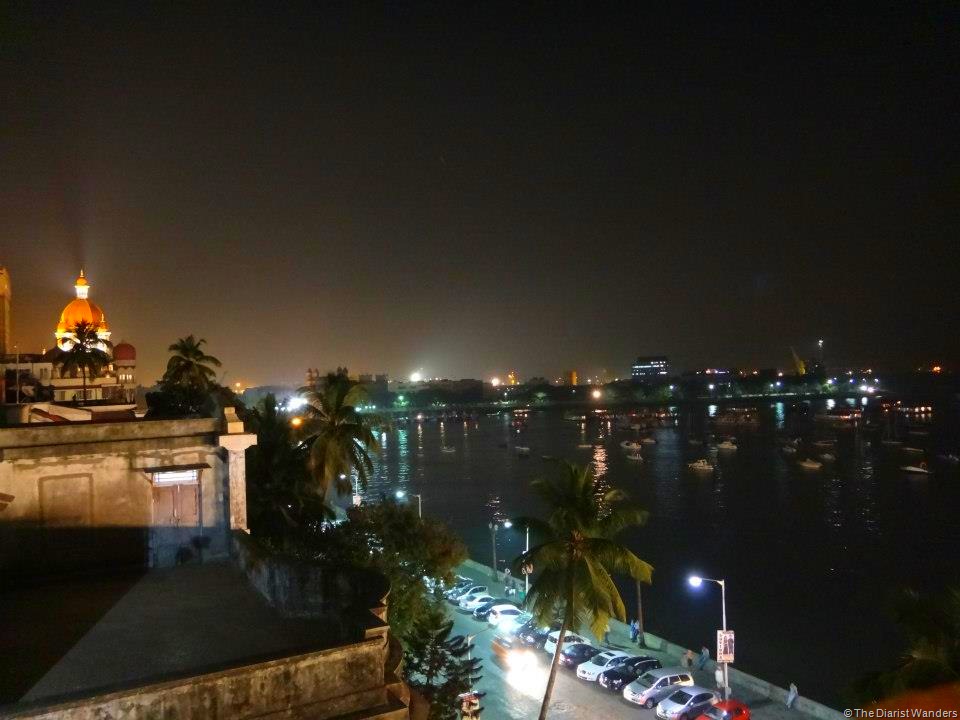
The Taj Mahal Palace Hotel and Tower is on the left of the Gateway of India if arriving by boat. It is said to be the or one of the most expensive hotels in Mumbai.

I hope you enjoyed these virtual walking tour of South Bombay. Maybe you’ll get to walk through Colonial Mumbai someday too! I’ve heard several mixed reviews of being a tourist in Mumbai. Admittedly, the city can be unnerving and overwhelming but hey, give it more than a day or two and surely, you’ll get to know and feel it’s vibe too. If you need a walking guide (especially for couchsurfers), let me know and I might introduce you to a friend or two who may be able to show you around Colaba, South Mumbai and the rest of the city!

FotoFolio - South Mumbai - Taj Hotel Dome and Arabian Sea
The illuminated dome of the Taj Mahal Hotel and the waterfront (Arabian Sea)

FotoFolio: Sunrise at Mt. Kanchenjunga (3rd highest peak in the world)

In my CouchSurfing profile, I shared that one of the most amazing things I have seen in my entire life is the sunrise at Mt. Kanchenjunga in the Himalayas. Mt. Kangchenjunga is the 3rd highest mountain in the world at 8,586m (28,169ft).

FotoFolio Darjeeling Kanchenjunga Mountain at Sunrise Close-up
Mt. Kanchenjunga. Amazing.

No, I did not climb Mt. Kanchenjunga but I watched the sunrise from the Tiger Hill in Darjeeling, a popular tea estates tourist spot, in West Bengal, northeast India. Darjeeling has an average elevation of 2,050m (6,710ft). Tiger Hill in Ghoom, where you can find the world’s highest railway station, is about 11kms from Darjeeling.

FotoFolio Darjeeling
Welcome to Darjeeling!

In order to see the sunrise at Kanchenjunga, Julie (my VSO co-vol, friend and travel buddy in India) and I had to wake up at bloody 3:30AM at an “I-don’t-know-how-cold-nut-I’m-freezing” temperature! Being in India for a while by then (October, 7 months in!), we didn’t really expect them to be serious about the pre-arranged shared jeepney to Tiger Hill, the viewing point, to go by 4:00AM! But yes, they did and even called us up before 4 to make sure we were on our way.

With the number of shared jeeps, vans, cars and other vehicles heading that way—there’s like about 200 vehicles at the parking lot and that’s a conservative count—the traffic was really bad especially when it was already nearing Tiger Hill.

FotoFolio Darjeeling Kanchenjunga Mountain at Sunrise Vehicles
Vehicle options for the Tiger Hill (aka Three-Point Tour) tour. We got a jeep like the green one for 10 people

Upon alighting, we were told to just go to the ticket booth to pay for the Rs 10 entry fee to the hill’s “viewing deck” area. Since we thought we could rough it out anyway, Juls and I decided not to go for the extra Rs 20- and Rs 30-rupee tickets for the viewing deck that’s inside a taller building.

FotoFolio Darjeeling Kanchenjunga Mountain at Sunrise View Deck
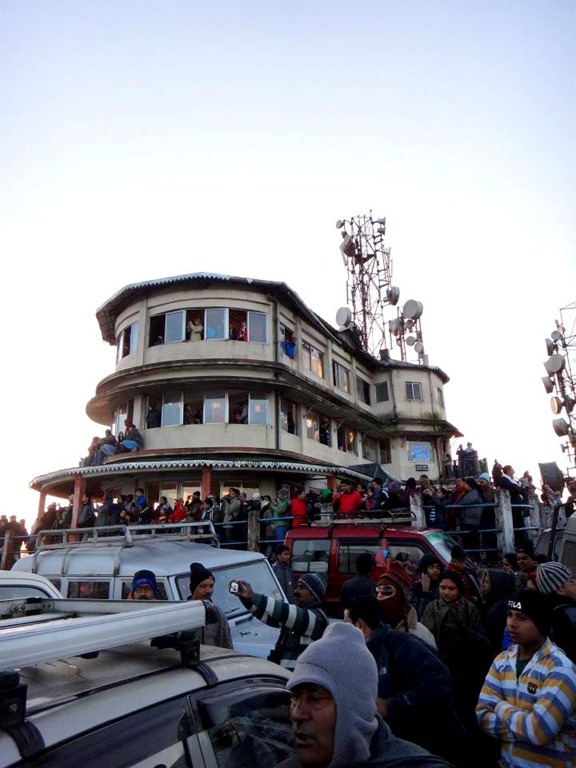
Tiger Hill Viewing Deck and “Viewing Deck” – take your pick!

We joined the multitude of jacket- and sweater-clad (sometimes with bonnets too coz it’s too freaking cold!) of local and foreign tourists first on the right side of the building for an earlier view of the sunrise, you know, ala-Breaking Dawn!

FotoFolio Darjeeling Sunrise at Tiger Hill
Breaking Dawn with strangers. And electronic devices!

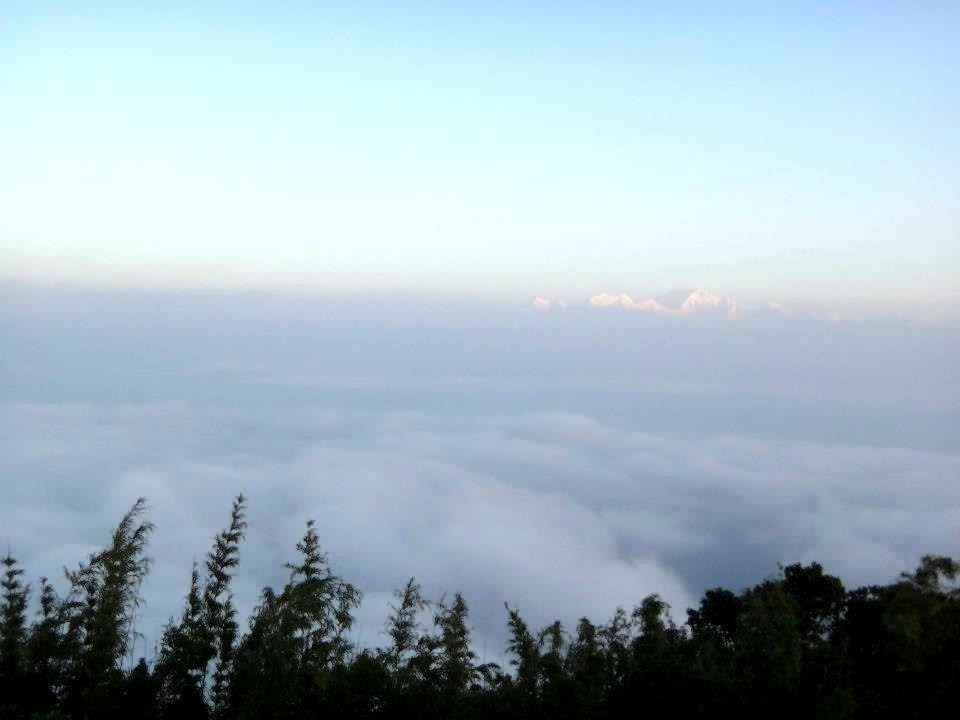
I thought that was it! That we were unlucky to see Mt. Kanchenjunga because it’s too cloudy! But I was wrong! Because, the sun’s rays are to hit Kanchenjunga in the opposite side of the viewing deck. Juls was the one who saw it just when we were about to walk down!

FotoFolio Darjeeling Kanchenjunga Mountain at Sunrise 2
Up in the clouds! Cotton Candy, anyone?!

Forgive the photo quality here (click to enlarge; I can give you original resolution ones if you’d request) but I assure you, the white snow-capped mountain peaks of Kanchenjunga turning into varied hues of orange is indeed a sight to behold.

It was an amazing moment for me. Like, really amazing. It’s not everyday that we get the chance to witness a natural beauty, some say a testament of God’s gift to humanity, and be blessed with the feeling of a better day unfolding before our eyes, sharing it with strangers from all walks of life. Sunrise at Mt. Kanchenjunga is amazing, isn’t it?

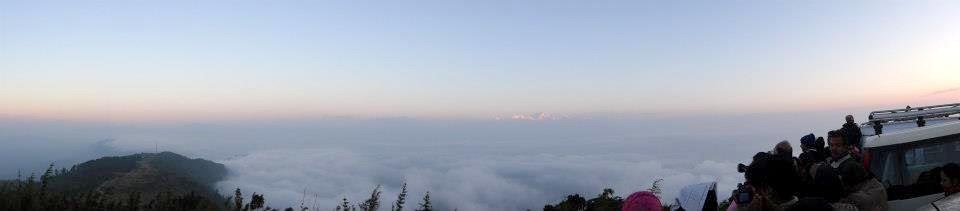
FotoFolio Darjeeling Kanchenjunga Mountain at Sunrise Panorama
Panoramic view of sunrise at Mt. Kanchenjunga

After the sunrise,I think Juls and I descended from the main viewing deck and found our way to the shared jeepney. Yes, the day has just begun as the Rs 150 tour is good for three points of interest in Darjeeling (Tiger Hill, Ghoom Monastery, and Batasia 360 degree loop), stories of which I will tell in my next posts.

FotoFolio Darjeeling Kanchenjunga Mountain at Sunrise
How can you not be amazed?

For now, I leave you with memories of my time with Mt. Kanchenjunga and experiencing cloud 9, perhaps figuratively and literally! Happy wandering!

FotoFolio Darjeeling Tiger Hill Tibetan Buddhist Banderitas
Banderitas / Flaglets with Buddhist prayers/text line up the road at Tiger Hill