The sun slowly setting, the wind mildly blowing, and the ukulele songs that keep on playing — if only we can freeze time at Scout Island, we probably would. ‘Twas a really charming Saturday afternoon at the Hundred Islands National Park as we set camp on the “undeveloped” Scout Island (read: no structures or facilities) where we spent the night. After a full day of bus travel (about 5-6 hours from Manila to Alaminos, Pangasinan), snorkeling, swimming and island hopping, the quiet, rustic and peaceful vibe of Scout Island gave us the solace that we were looking for. Though devoid of material comforts, choosing Scout Island turned out to be an awesome choice — white sand beach for our bed, magic planktons (green phosporescent aka Life of Pi aka The Avatar) for our entertainment, and an entire island to ourselves!
Category Archives: Activities and Itineraries
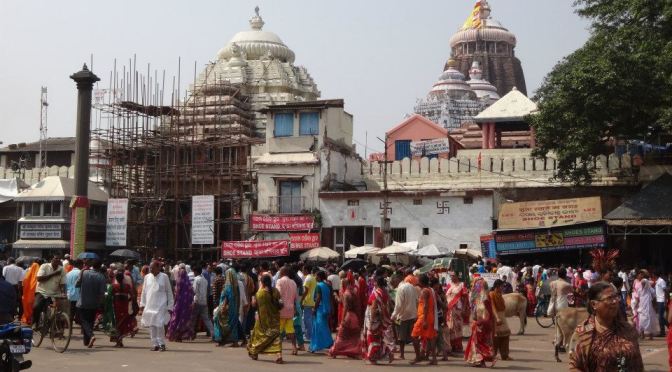
FotoFolio: The Holy City of Jagannath Puri, Odisha, East India
As part of my great East Indian journey where I saw my first snow-capped mountain in Darjeeling and learned more about colonial India in Kolkata two years ago while volunteering in India, I paid my VSO batchmate co-volunteer Sue a visit at her placement area in Puri, Odisha.

Continue reading FotoFolio: The Holy City of Jagannath Puri, Odisha, East India
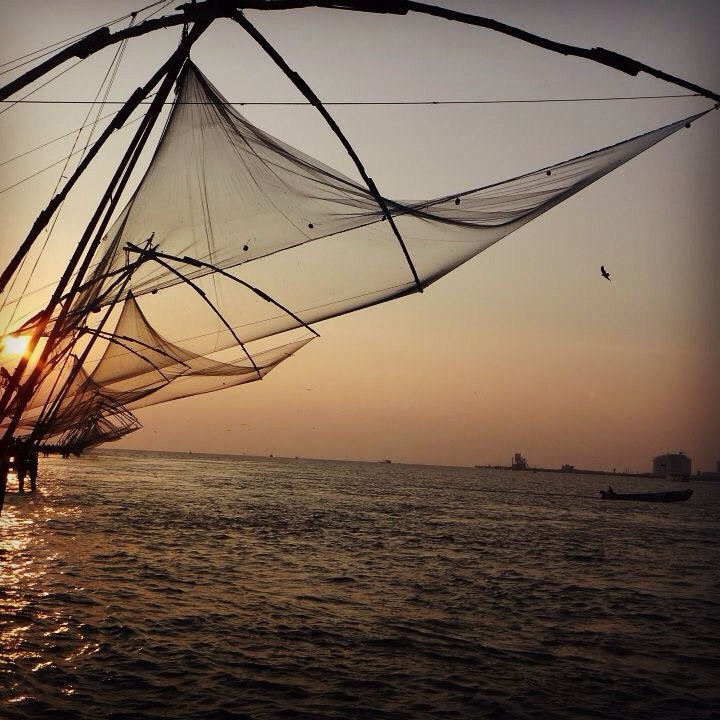
#100Days Photo 31: Cheena vala, Fort Kochi Beach, Kerala, South India

Before traveling to anywhere, I always research first for the top 3 things to see, do or eat — and my final tourist travel in the Indian sub-continent to Kerala and south India was no exemption. It’s like my non-negotiable. It doesn’t matter whether I’m staying 6 hours or 6 days — I must be able to see/do/eat the top 3 things. After that, I feel happy and accomplished, ready to move on to the next destination. So, when I was checking out things to do in Kochi, the first European colony in India and one of the major metropolitan cities of the south Indian state of Kerala, the Chinese Fishing Nets definitely was on the list. Called Cheena vala in Malyalam (the local language), the Chinese Fishing Nets at Vasco da Gama square in Fort Kochi is a popular tourist spot, especially at sunset. The silhouette of the Cheena vala lining up the shore is such a sight that you wouldn’t imagine it for its actual purpose — a fishing net!
#100Days Photo 29: The Small Pond and the Batu Caves, Selangor, Malaysia

During the first time I set foot in Malaysia back in 2010, we only had one day and between Melaka, Genting Highlands and the Batu Caves, we decided to play with the clouds. It was only during the month-long Southeast Asia backpacking trip that I made it to Melaka and to the Batu Caves, both thanks to my fried Rajie who took time off her busy schedule to tour me, Lalai and Tetet! 🙂 Anyway, Batu Caves, as the name suggests (in Tagalog, batu, well bato, means stone), is a series of caves and cave temples inside a limestone hill. Batu Caves is a popular tourist spot and Hindu temple site around 13kms north of Kuala Lumpur, the capital city of Malaysia. The area is surrounded by birds feeding on corn kernels the visitors throw around and by a small pond of ducks and koi fish. You’d need to climb up about 8-10 floors worth of stairs, alongside monkeys that can be pretty violent when they see food, to get inside the caves and the temples. Rajie, at the time at least, was not a devout Hindu so we were not sure whether the stories of Kartikeya (the massive golden statue at the foot of the caves to which the cave temples are dedicated to), and his family (daddy = Shiva, mommy = Parvati, brother = Ganapathi) and the peacock he’s riding, were as accurate as the scripts or just made up bedtime stories! It was quite entertaining though. 🙂 After visiting the caves, you might want to relax your legs and knees a bit and stay a while by the small pond, watching the ducks and koi fish glide and swim. Or, you can also pay a visit to Lord Hanuman, the monkey god, farther on the left.
#100Days Photo 28: Chao Phraya River and the Bhumibol Bridge, Bangkok, Thailand
The Me Nam Chao Phraya is a major river in Thailand, even referred to as the River of Kings. On my second day in Bangkok, during my Rattanakosin Island walkabout, I ended up in a plaza across Wat Arun (Temple of the Dawn) where the Chao Phraya river has overflowed, swallowing most of the benches by the riverbanks. If you remember the flooding in Bangkok and Thailand in October 2011, you wouldn’t think that the overflow from the calm Chao Phraya River can be the cause for severe flooding in many of the provinces and its capital city. This photo, taken the next day when I explored Bangkok outside of Rattanakosin, was when I took the Chao Phraya Express Boat so I can have a closer look at some of the sights I have missed! Also coz I’m so cheap to buy the dinner river cruise ticket. Hehe 🙂 We passed under the towering Industrial Ring Road Bridge or officially, the Bhumibol Bridge, named after King Bhumibol Adulyadej (apparently, naming bridges after Kings is customary). By the time I left Bangkok the day after, the city was already frantic trying to prepare for the floods — communities passing and arranging sandbags, construction of 2-feet cemented walls by their homes’ doors, diversion of traffic in some areas. Although the Chao Phraya River caused misery to many Thai people, the River of Kings remain to be an important part of their daily lives — either for agriculture, trade or transport. I hope measures, by government and the communities, are being taken so that the October flooding won’t happen to Bangkok or to Thailand again.