Category Archives: Transportation

Backpacking Philippines: Zambales’ Nagsasa Cove for the Curious (First Time Camper Edition!)

Earlier this year, I made a checklist of the places I wanted to visit and Anawangin Cove in Zambales was included in it—until it got bumped by Nagsasa Cove.

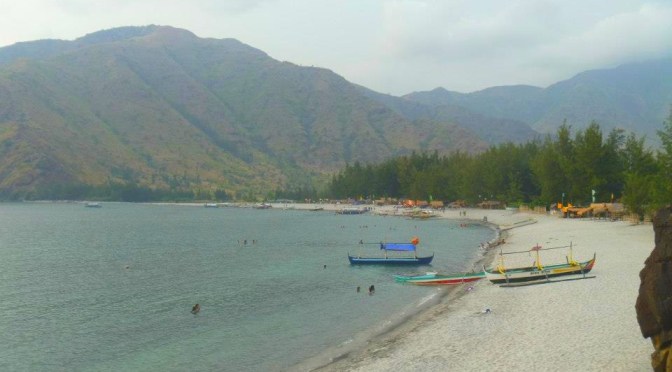
Nagsasa - Sand Sea Sky and Mountains

Nagsasa Cove is about 30 minutes farther by boat than Anawangin Cove if you are taking the Pundaquit or San Miguel jump off points in the town of San Antonio, Zambales. We availed the tour package offered by Ate Alice and our jump-off point was Brgy. San Miguel. It’s just 10 minutes from the San Antonio Municipal Hall where most passengers and tourists get dropped by the buses from Manila and picked up by their boatmen or tour operators.

Nagsasa - Jump Off point
Campers with Ate Alice (contact 09294323081 or 09159664953, tolitsway@yahoo.com.ph)

From the jump-off point, it took us about an hour to get to Nagsasa Cove. The boat passed through surprisingly very calm waters, so calm that at some points it’s like a glass mirror reflecting the outriggers of the banca without any disturbance! Plus, since it was just a little past 6am when we started our boat journey, we had awesome views of the sunrise, the mountain, and the horizon! On the way to Nagsasa Cove, I was so happy feeling the subtle warmth of the sun’s rays breaking through the mountain peaks and touching my face. I greeted everyone a very good morning indeed!

Nagsasa - Boat Ride at Sunrise

And then, once we arrived at Nagsasa, we can’t help but admire the beauty that was around us. My travel companions, being foreigners who have lived here for a while now and have already traveled to other places, exclaimed that Nagsasa was indeed so beautiful and they can’t believe that they’re still in the Philippines and not somewhere else!
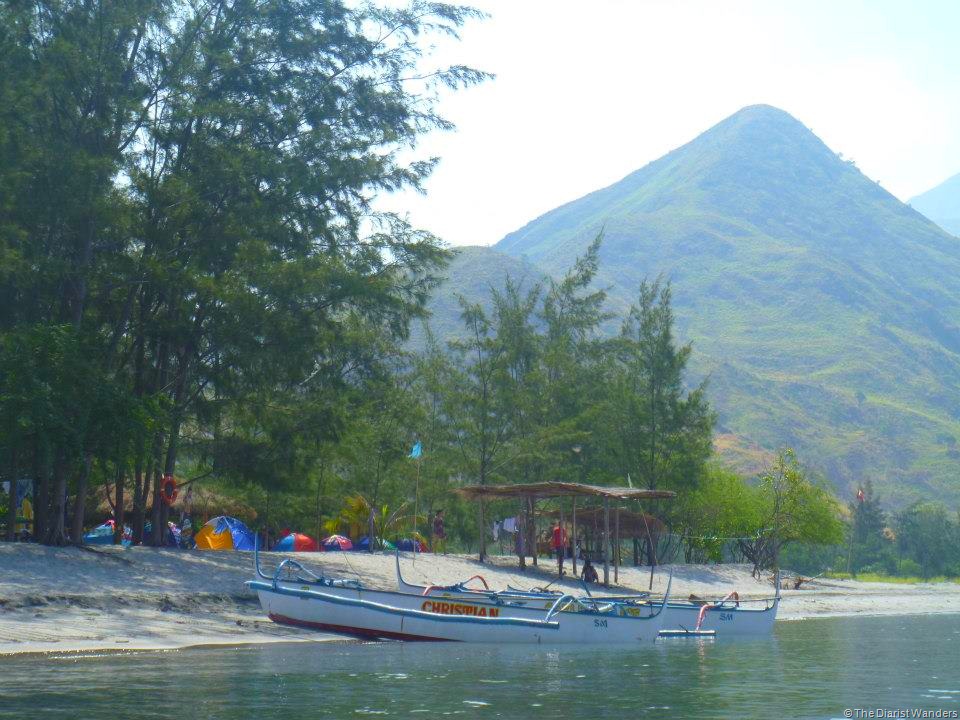
Nagsasa - Docked Boats and Pinewood Forest

Groggy girls that we were, we found our spot at Mang Ador’s campsite and Kuya Ruben, our boatman, set up our tents. We then brought out our supplies and prepared breakfast. You can start your own fire but we opted to go to Mang Ador’s cottage-slash-sari-sari store coz they have better firewood cooking set-up. And after breakfast of fried eggs and bread, with cheeze spread and peanut butter, plus a good serving of Gatorade, we went for a swim and welcomed the clear and soothing waters!
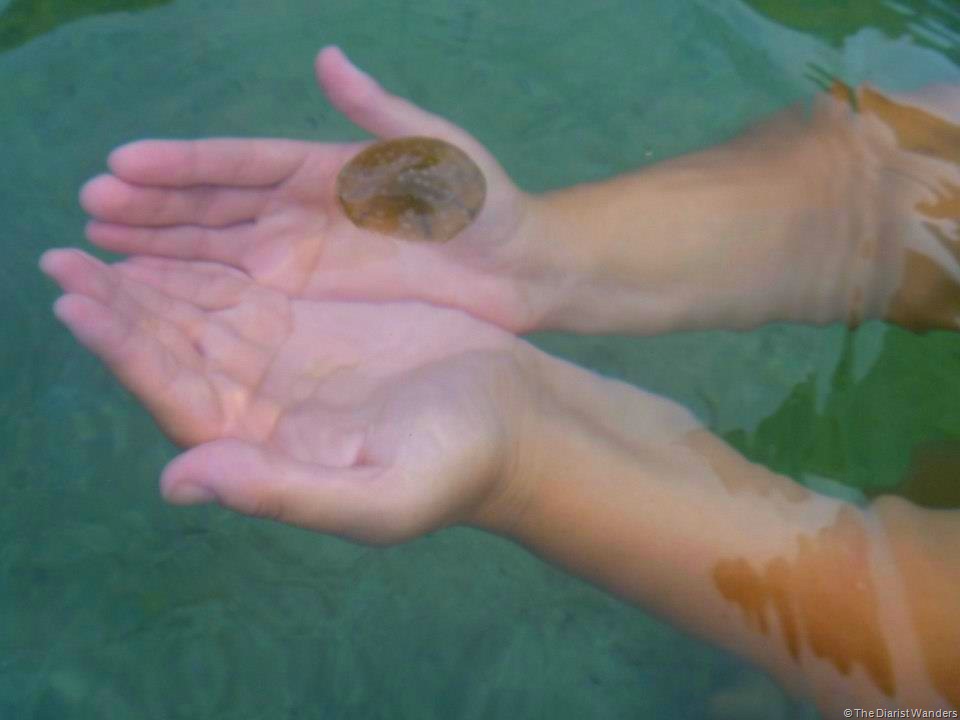
Nagsasa - Jellyfish

Apart from being the best sand my friends have ever been on, they also appreciated the clearness of the waters at Nagsasa Cove. It’s so clear that you don’t really need goggles or snorkel masks to see through the water. There are also some jellyfish species floating around as well as small fish. The campers here also seem friendly and are conscious of keeping the place clean.
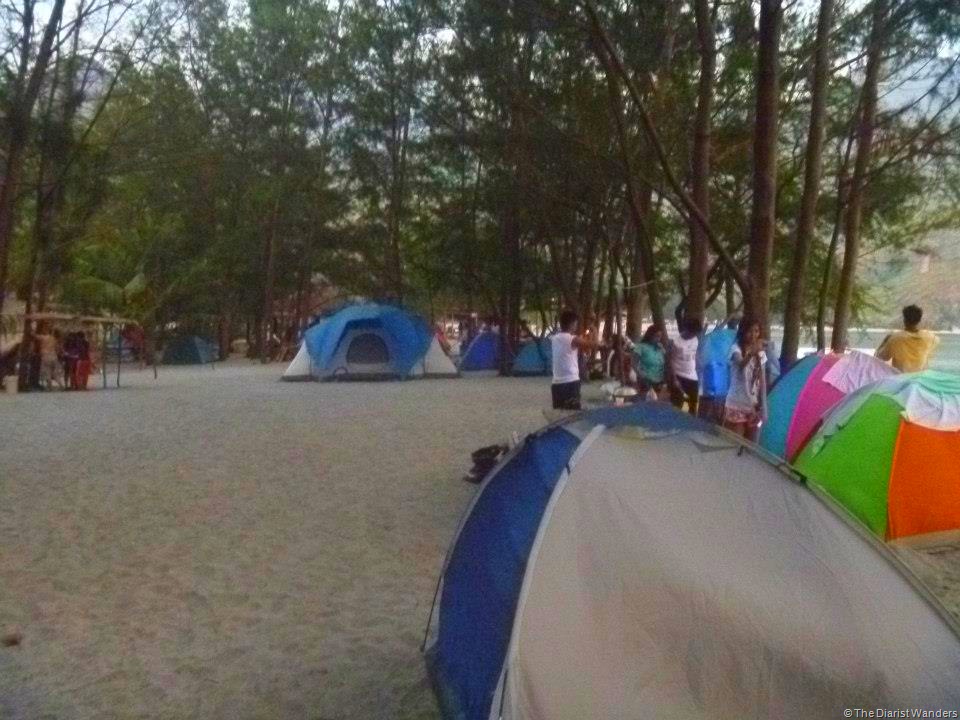
Nagsasa - Campsite

After a good swimming and soaking, we decided to take a nap. It was kind of humid at first but the wind picks up every now and then at Nagsasa Cove. I still don’t know why that is so but it’s amazing how you would “hear” the humming of the wind first before you “feel” it!

Nagsasa - Inside the Tent

It felt like we napped for a long time and then we realized that it was just noon!!! For some reason, we found time to be very slow once we’re at Nagsasa. It’s either the cove is doing it’s job of not making us think of time and how it passes OR our brain’s still exhausted and has not recovered from the lack of proper sleep! In any case, we didn’t really complain coz that meant we have more time to enjoy the coves!
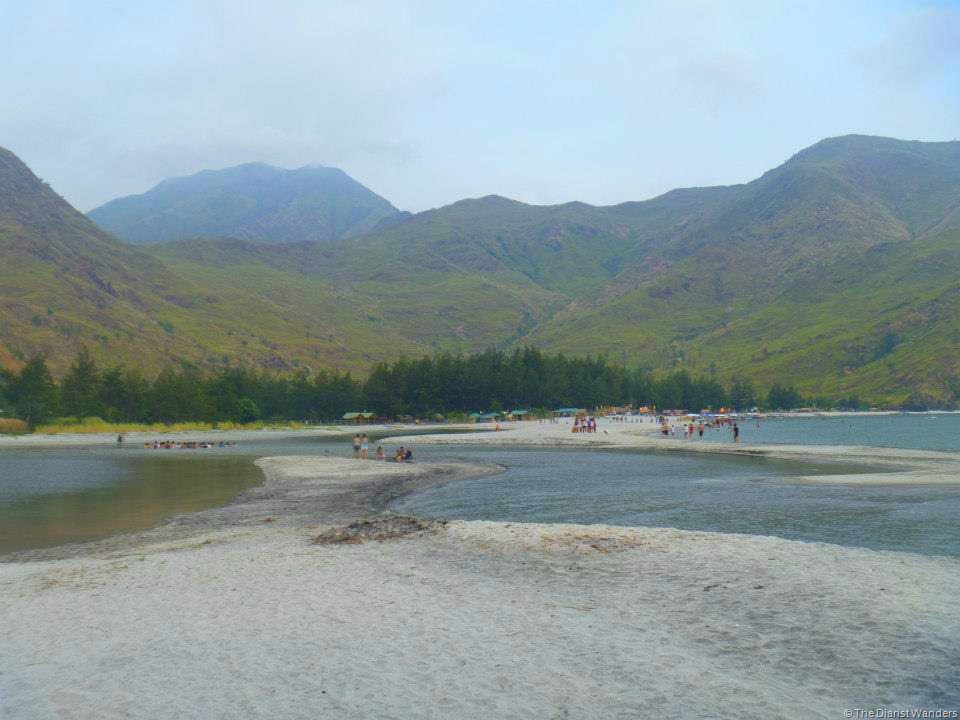
Nagsasa - Crossing the River

Once we’re done with lunch and another swim to play with the jellyfish and find other fishies, we decided to move to the other side of the cove—the one I want to call “mainstream campsites”. If facing the beach, from Mang Ador’s campsite, you would need to walk towards the left and reach some kind of a sandbar due to the drying river that flows through to the ocean.
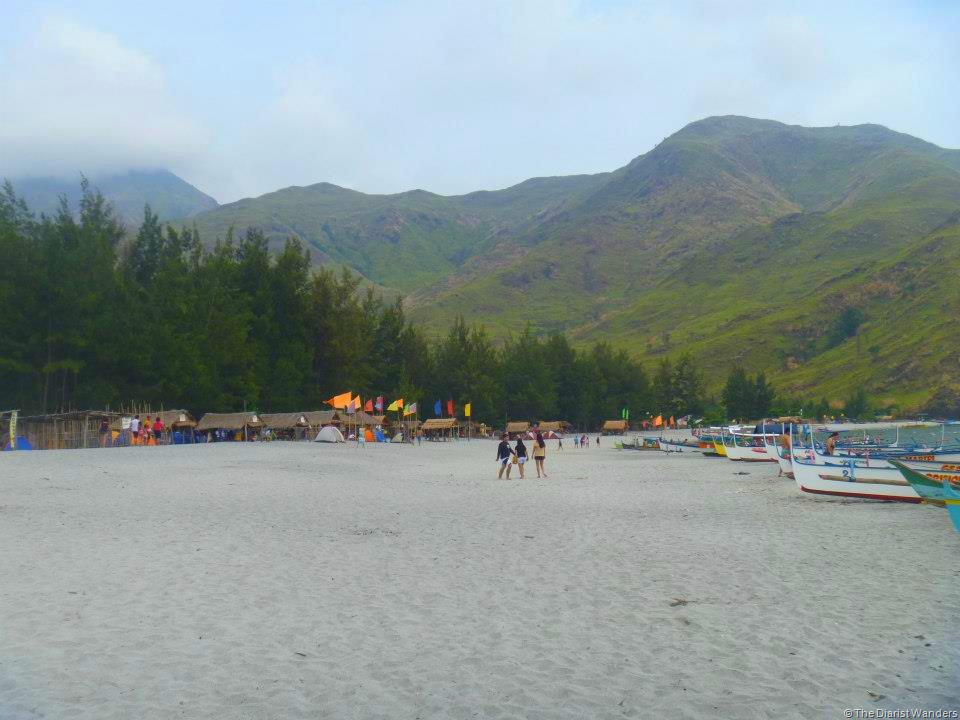
Nagsasa - Mainstream Campsites

The scenery is quite nice but upon reaching the shoreline of the mainstream campsite, I can’t help but feel disappointed and sad. There were a lot of plastic garbage! Me and Elaine did some cleaning-up but it was just too many!!! Sad smile The sand is also coarse and more painful on the feet than the campsite at Mang Ador’s.

Nagsasa - Sunset at Dusk

So, after taking pictures from the top of rocky cliff-like formation and taking a quick dip, Elaine and I decided to return to our campsite, just in time for the sunset. Nagsasa sunset wasn’t the “setting-in-front-of-you” type of sunset coz it was covered by the mountain but it was spectacular nonetheless. A good mix of red, orange and purple. Ganda!!!

Nagsasa - Mallows on fire

And of course, after sunset comes another round of eating! And then, bonfire! I was really excited for the bonfire coz it will be the first time I was to have smores—a very good bite of marshmallow, chocolate and graham crackers goodness! I can’t remember how many I had but I still remember how the mallows and Hershey’s melted and the way it felt in my mouth!!! Smile We four girls had some wine (or a lot of it) and just enjoyed feeding the fire with logs…and mallows!

Nagsasa - Breakfast

I woke up really early in the morning (like before 6) and had a good swim (for hangover?) and watched the sun rise again—this time trying to break through the pinewood trees! And once all the girls were awake, we prepared breakfast and decided to stay at Nagsasa a while longer and skip Camara island on the way back.

Nagsasa - Rocks Rock

We spent some time just chilling, swimming, chatting and exploring a bit more of the rocky side of the edge of Mang Ador’s campsite. I think some people from the mainstream campsites also walk over this side to take photos.

Nagsasa - Water Splash

And to cap it off, Elaine “insisted” that I go for the water splash shot! To which I “not so willingly” (as in pakipot kuno) obliged. Hahaha Smile I think it’s a good memory of Nagsasa, di ba?!
FotoFolio: Walking Tour of South Bombay (Images of Colonial Mumbai)

I miss Mumbai. There, I said it. I lived in Navi Mumbai (New Bombay, totally different twin city) and I would go to South Bombay (aka SoBo) whenever me and my friends  would go out for dinner and drinks. Why SoBo and not in Bandra, the party/gimik capital of Mumbai? I think it’s mainly because it is more accessible and hanging out in Colaba has a more chill vibe. Not to mention, I personally find South Mumbai more pleasant to walk through, with more character and history than the upscale Bandra area.

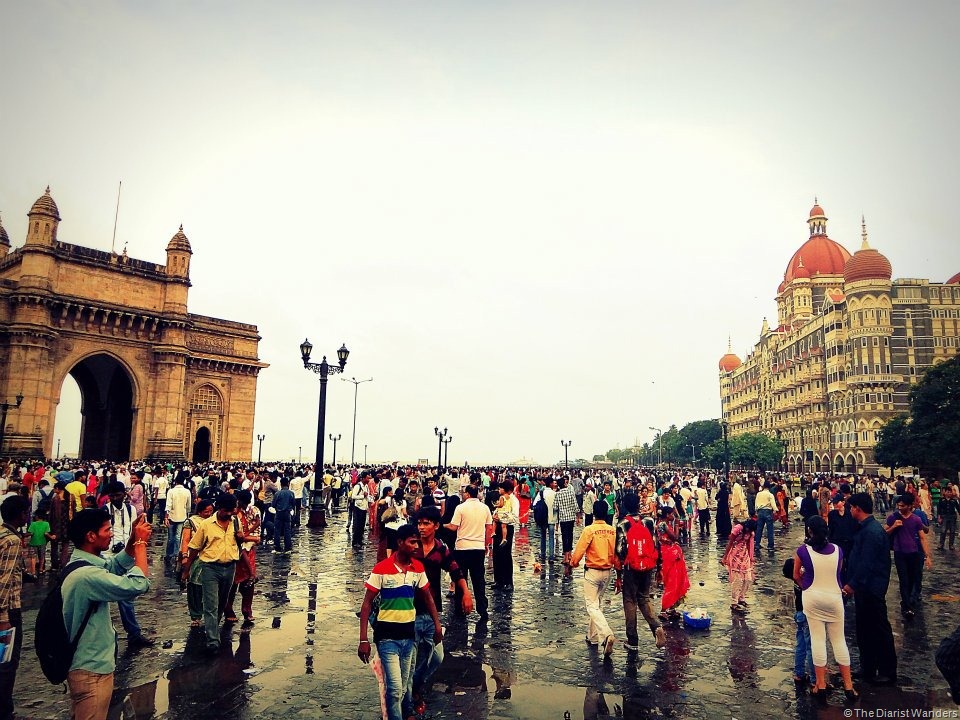
FotoFolio - South Mumbai - Gateway of India and Taj Hotel
The Gateway of India and The Taj Hotel

Needless to say, South Bombay and Colaba is also the most touristy. But hey, when you live in the city, you don’t really mind the mix of the local and foreign crowd. You enjoy it. People-watching and all. Being a foreigner myself, though I am not as tourist as the newly-arrived ones anymore, I always find something new to discover in Mumbai.

Anyway, I am not in a talking (writing) mood much today. Unless I want to end up too nostalgic to function. Haha. Therefore, I would jus want to share with you the images of Colonial Mumbai. I always call South Bombay the British area, primarily because the structures you would see closely resemble what you would find in London. I think (as referenced to movies and TV series).

I’ve included here a series of photographs, showing these British colonial structures. I tried my best to put them in the walking order, although my memory might be messed up already since there were some turns during these several walkthrough of South Mumbai.

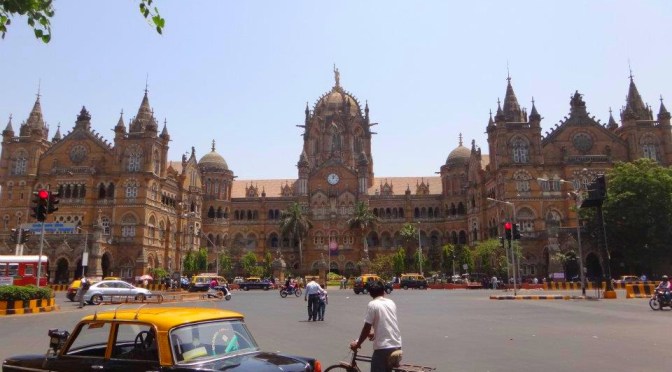
FotoFolio - South Mumbai - Chattrapati Shivaji Terminus
Chhatrapati Shivaji Terminus (CST, formerly known as Victoria Terminus) is a UNESCO World Heritage Site and the main railway terminal for local and inter-state trains
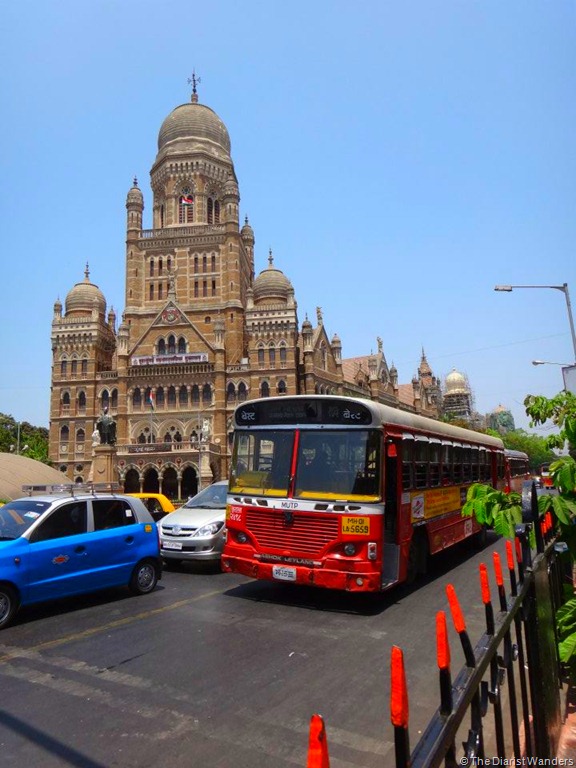
FotoFolio - South Mumbai - BMC
Birhanmumbai Municipal Corporation (BMC) serves as the City Hall (sosyal!). It’s on the left side if facing CST
FotoFolio - South Mumbai - Unidentified Building
I can’t be sure if this is still part of CST but it is behind the CST facade area
FotoFolio - South Mumbai - Unidentified Buildings
These colonial buildings house modern establishments and banks
FotoFolio - South Mumbai - Sculpture
Several unidentified sculptures form part of one building’s foundations
FotoFolio - South Mumbai - Churchgate Area
I am not sure if this is the Churchgate Railway Station. If it isn’t, then it must be the building across the road
FotoFolio - South Mumbai - Hutatma Chowk
Hutatma Chowk (Martyr’s Square) is found at the center of South Bombay. Easily accessible from Churchgate Station
FotoFolio - South Mumbai - Hutatma Chowk - Martyrs
The Hutatma Chowk memorial, as far as I have heard, was to commemorate the lives of the martyrs during the Maharashtra and Gujarat separation (correct me if I’m wrong!)
FotoFolio - South Mumbai - Hutatma Chowk - Flora Fountain
Flora Fountain, built in 1864, is one of the most photographed landmarks in South Bombay. Sorry, no more water flowing through. 😦
FotoFolio - South Mumbai - University of Mumbai
University of Mumbai (Fort Campus) was established in 1857. It’s mong the oldest universities in India
FotoFolio - South Mumbai - Rajabai Clock Tower
The Rajabai Clock Tower, completed in 1878, is called Little Ben as it was patterned to the Big Ben in London
FotoFolio - South Mumbai - David Sassoon Library
David Sassoon Library, built in 1870, is another main landmark in the Kala Ghoda area. I never entered the library.
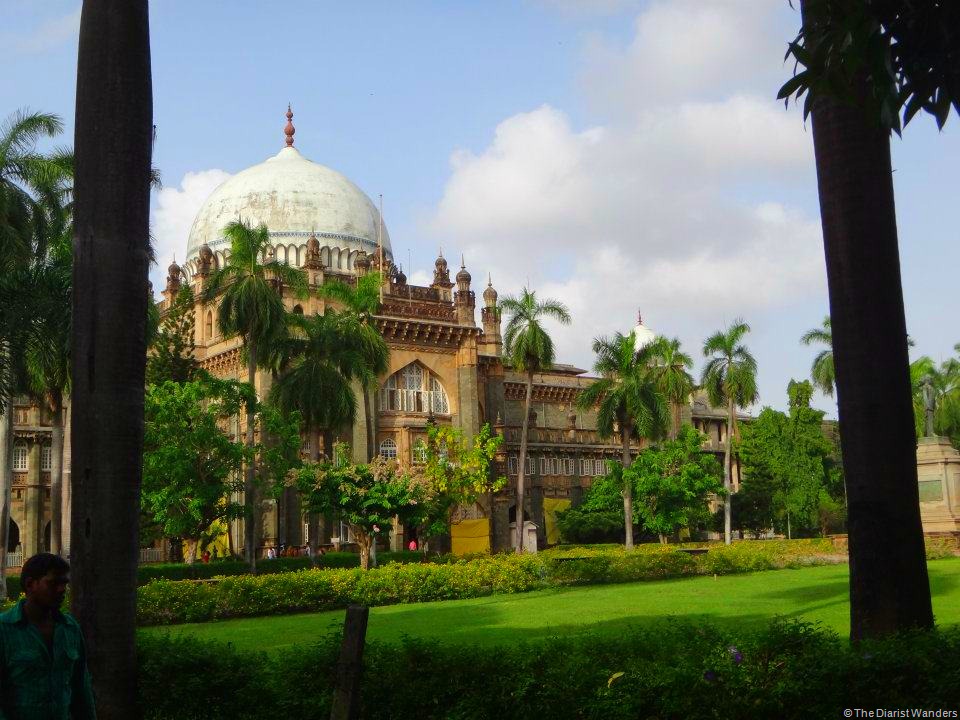
FotoFolio - South Mumbai - Prince of Wales Museum
The Prince of Wales Museum (officially renamed as Chhatrapati Shivaji Maharaj Vastu Sangrahalaya) houses artifacts, sculptures, painting, china and other art collections. I think it’s under the patronage of the Tatas. (Entry Rs 300 for foreigners, Rs 50 for Indians. Camera fees apply)
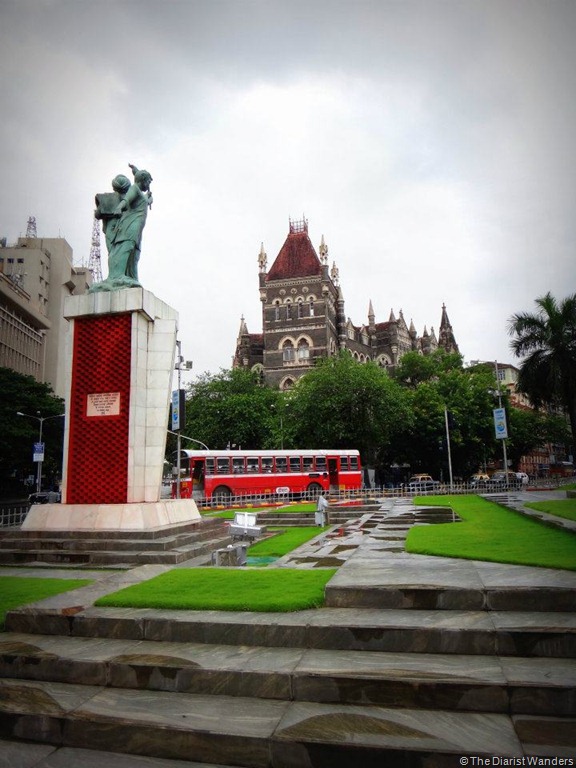
FotoFolio - South Mumbai - Colaba Crossing
I don’t know who the statue is for or what is the building. But I’m sure this is after the museum and towards the Colaba area
FotoFolio - South Mumbai - Gateway of India
The Gateway of India (not to be confused with the India Gate in New Delhi). Built from 1911 (primarily to commemorate the visit of King George V and Queen Mary) to 1914, the Gateway of India is perhaps the most visited and photographed monument in Mumbai. The boats leaving for Elephanta Island is found at the back of the Gateway of India.
FotoFolio - South Mumbai - Taj Mahal Hotel and Arabian Sea
The Taj Mahal Palace Hotel and Tower is on the left of the Gateway of India if arriving by boat. It is said to be the or one of the most expensive hotels in Mumbai.

I hope you enjoyed these virtual walking tour of South Bombay. Maybe you’ll get to walk through Colonial Mumbai someday too! I’ve heard several mixed reviews of being a tourist in Mumbai. Admittedly, the city can be unnerving and overwhelming but hey, give it more than a day or two and surely, you’ll get to know and feel it’s vibe too. If you need a walking guide (especially for couchsurfers), let me know and I might introduce you to a friend or two who may be able to show you around Colaba, South Mumbai and the rest of the city!

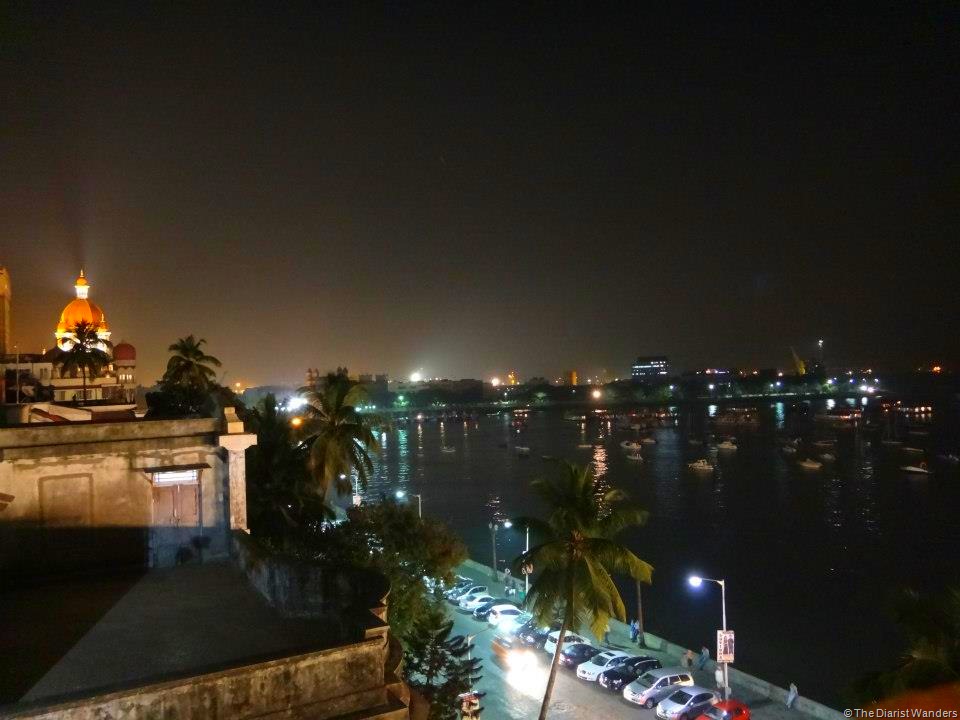
FotoFolio - South Mumbai - Taj Hotel Dome and Arabian Sea
The illuminated dome of the Taj Mahal Hotel and the waterfront (Arabian Sea)

Foodie Fridays: Capiz, Seafood Capital of the Philippines

I love eating and it’s my favorite part of work-related travel. You get to savor sumptuous and delicious dishes like fresh vegetables and oh-so-fresh-it’s-still-moving seafood! So, whenever we go on the field, we make sure to always sample the local specialties of the place and when we were in Capiz, it’s always seafood that we craved for!

Capiz - Seafood Capital - Dampa Choices
Are you hungry?!

You can find almost any seafood in Capiz. For how else can Capiz own the bragging rights of being the seafood capital of the Philippines?! From fish to oysters, squids to clams, shrimps to seaweeds, crabs to lobsters.
Capiz - Seafood Capital - Crabs
Craaaaabs! (ginisa or boiled???) I once brought home an entire basket of these, alive, through the plane!

You name it, and you’d probably get the seafood of your choice. Unless of course it is of the “illegally for sale” kind. That’s another story.

Capiz - Seafood Capital - By the beach
Enjoy the sea breeze while indulging in seafood

Located in Western Visayas at the northeastern section of Panay Island (where you can also find Ilolo and Aklan), Capiz faces the Sibuyan Sea in the north and has numerous fish ponds in the locality.

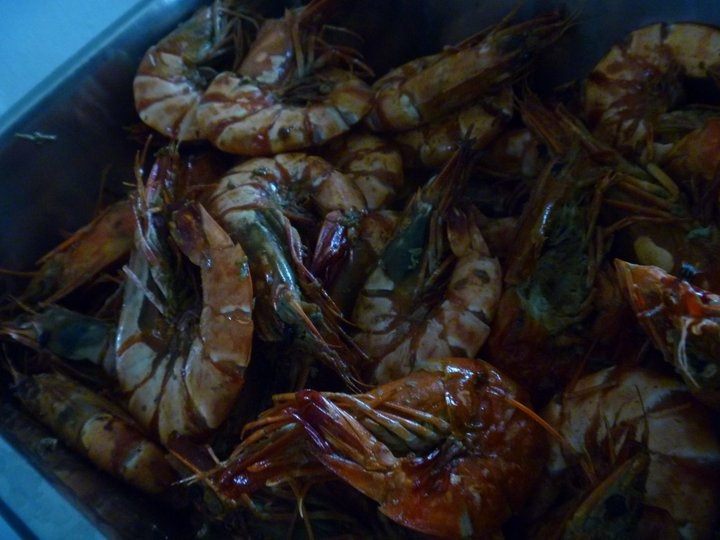
Capiz - Seafood Capital - Sugpo
Sugpo (big shrimps) (ginisa? buttered?)

A lot of seafood being enjoyed in Manila comes from Capiz, with the extra hundreds of pesos added per kilograms of course. Here are some of the great seafood dishes I’ve tasted in Capiz. I hope you enjoy the visual chow time! (Disclaimer: I like eating but I am not that good in describing. I’ll try my best but please use your imagination or previous foodie experiences!)

Coco Grove

This is perhaps the most famous and the “fanciest but still looks like casual dining” seafood restaurant in the Capiz bay seafood restaurant area. It’s a bit more pricey than the “dampa” choices down the coast. I can’t tell you how much exactly coz I didn’t really pay for the food. Another perk of field work travel! Anyway, Coco Grove is also the place where celebrities and personalities visiting Capiz usually go to for their quick seafood fix. Photos below are what they offer (or at least what we tried).

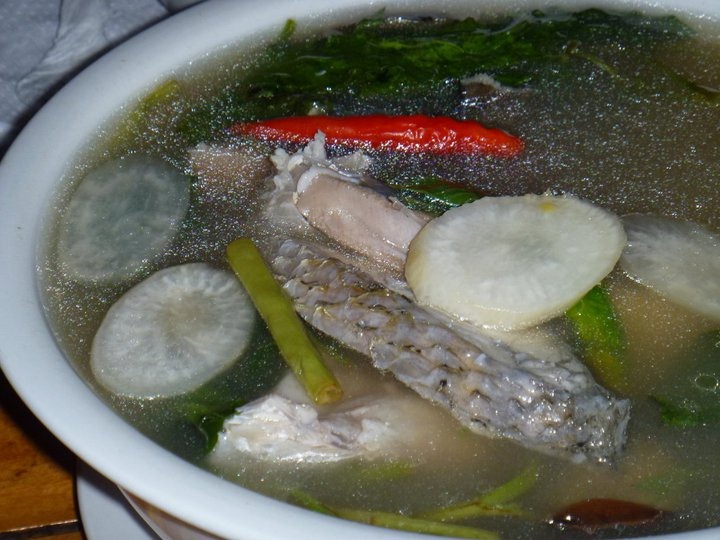
Capiz - Seafood Capital - Sinigang na Isda
Sinigang na Isda (Fish in Sour Soup) with radish and some greens (I’m sorry, my fish taxonomy is limited)
Capiz - Seafood Capital - Inihaw na Pusit
Inihaw na Pusit (Grilled stuffed squid) with tomato, onion and ginger fillings
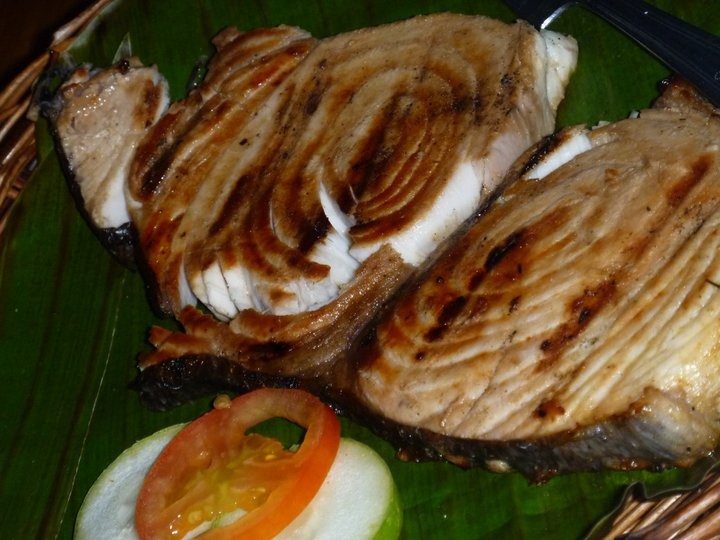
Capiz - Seafood Capital - Inihaw na Isda
Inihaw na Isda (Grilled Fish), I think it’s blue marlin or tanigue
Capiz - Seafood Capital - Calamari
Calamari (deep fried squid rings)
Capiz - Seafood Capital - Seaweed
Lato (Grape Seaweed) in tomato, onion and vinegar

There were probably other dishes we enjoyed that I forgot to take photos of coz I was already hungry. I think we also had nylon clam soup which is quite tasty! And perhaps some scallops too. Plus, you can order beer or coconut, which you’d drink from the shell itself!

Aling Bebing’s Seafood Plaza (Dampa style)

Since we were doing a series of farmers’ training at that time, we also had the chance to go for another round of seafood dinner by the Capiz bay area. This time, we went for the Dampa style at Bebing’s seafood plaza.

Capiz - Seafood Capital - Dampa Style Choosing
Choosing and haggling for seafoods. More fun in the Philippines!

If you are unfamiliar with Dampa style of eating, it’s where you choose the seafood that you want to be cooked, haggle for the price, and tell the kitchen how you want them to cook it. It’s quite fun. I didn’t do the haggling per se but it’s fun to watch, and request for the food you want!

Capiz - Seafood Capital - Inihaw na Daing na Pusit
My choice for the night, inihaw na daing na pusit (Grilled Dried Squid)
Capiz - Seafood Capital - Nylon Clams
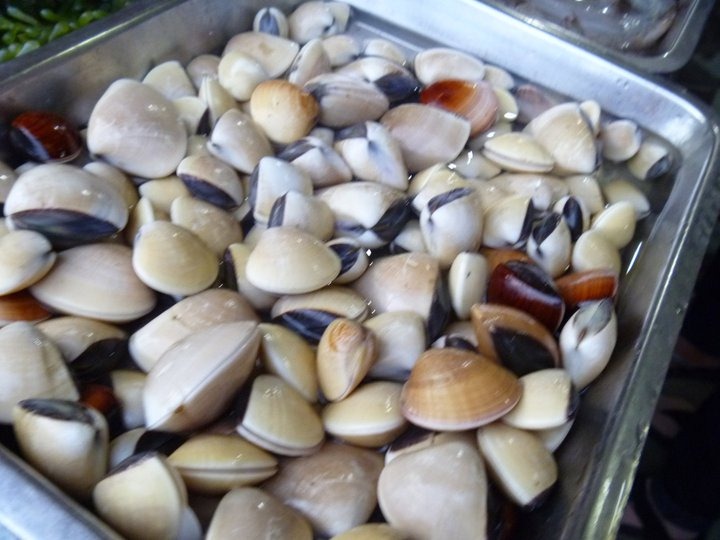
I think these are nylon clams. They make for really good soup!
Capiz - Seafood Capital - Sinigang na Isda 2
Sinigang na Isda (Fish in Sour Soup), I think this one is lapu-lapu?
Capiz - Seafood Capital - Windowpane Oyster
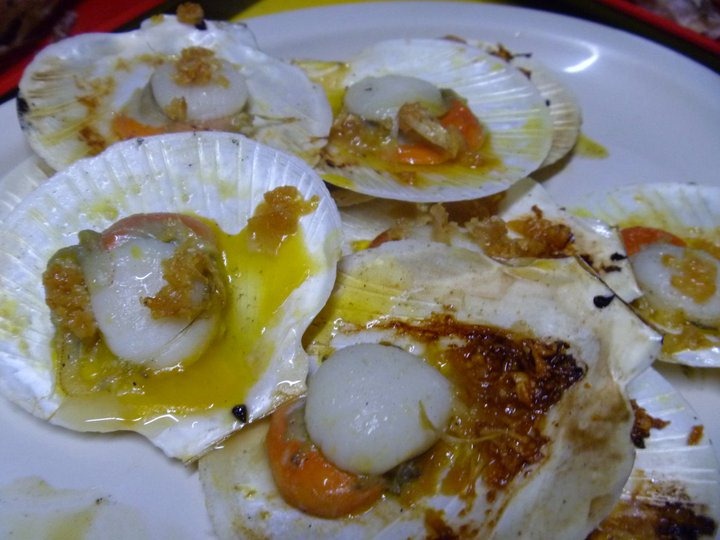
Grilled Scallops with Butter (this one is REALLY good)
Capiz - Seafood Capital - Oyster
Aphrodisiacs, I mean, oysters, anyone?!
Capiz - Seafood Capital - Inihaw na Daing na Pusit 2
Time to savor the inihaw na daing na pusit. Best with spiced vinegar and a bit of soy sauce

Eating at Aling Bebing’s seafood plaza is more casual than at Coco Grove. Both places have a great view of the beach/shore and you can feel the wind gushing. Aling Bebing’s Plaza’s style of bamboo flooring a little above the sands and closer to the shore was more breezy though. Making the seafood dinner more authentic and enjoyable.

Capiz - Seafood Capital - Happy Diners
Happy diners, I mean, farmer trainers!

So, what are you waiting for?! Book your flights to Roxas, Capiz or fly to Iloilo and Aklan and take a road trip from there. Or, if you really have a lot of time but not much budget, maybe try the 2GO ship option (I should try this too) or take the Roll-on, Roll-off (RORO) buses. I know it seems like great effort but hey, if you really want the freshest and finest seafood, there’s no other place to be than Capiz, the Philippines’ seafood capital!

Backpacking South East Asia: Vietnam – Cu Chi Tunnels Tour

Last night, at the Thirstday Thursday CouchSurfing Manila meet-up, there were two CouchSurfers from Vietnam and with other Filipino CS members, we talked about Cu Chi Tunnels, perhaps one of the most visited and most popular tours in Ho Chi Minh city.

Backpacking SEA Vietnam Cu Chi Tunnels - Entry Door 4
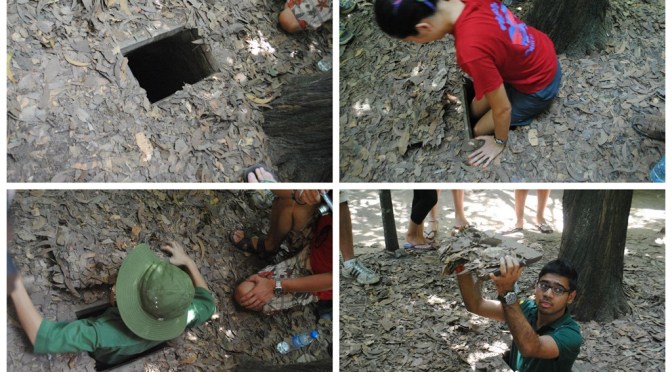
Raising the roof, literally! This is how the Vietnamese get inside the small rectangular “door” at Cu Chi tunnels (photo taken by Sid or Sulabh)

Together with Indians-but-Singapore-based Sid and Sulabh, whom I met in Phnom Penh, Cambodia, I went to Cu Chi Tunnels in the morning (it’s a half-day activity) to see for myself how the Vietnamese lived underground for years during the Vietnam War. Continue reading Backpacking South East Asia: Vietnam – Cu Chi Tunnels Tour

FotoFolio: Ko Phi Phi, Phuket, Thailand (The Beach!)

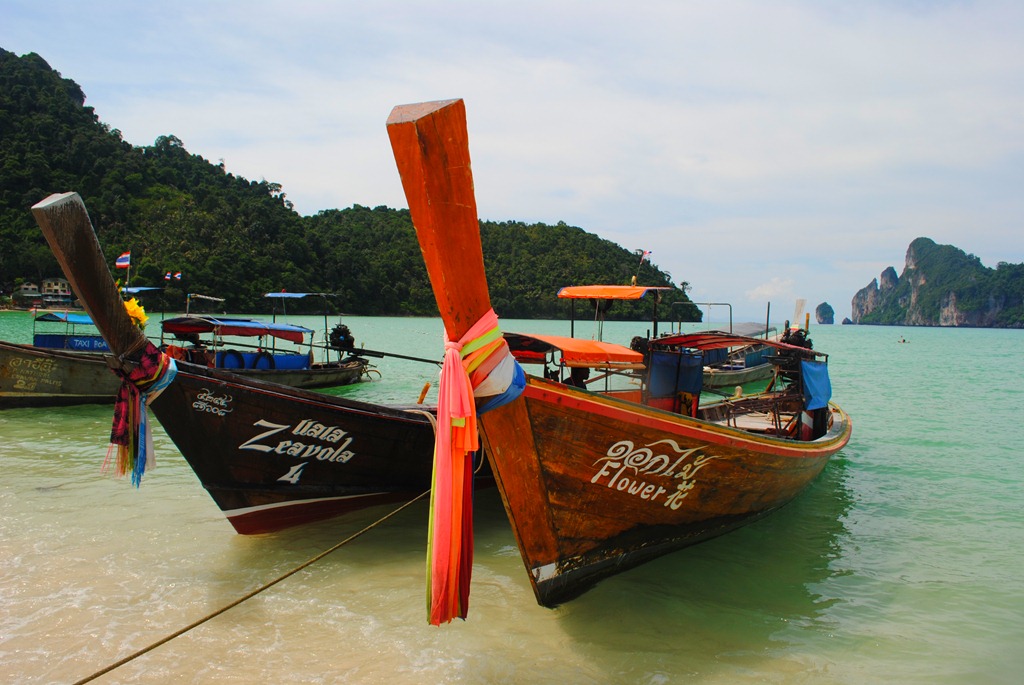
Clear blue waters, impressive stone formations and cliffs, unique long tail boats, fine white sand, amazingly clear skies—yes, it’s the Ko Phi Phi paradise in Phuket, Thailand!

DSC_0899

I decided to include Phuket as part of my 4-week backpacking South East Trip way back in October 2011. I heard somewhere that this is where they shot the film “The Beach” with Leonardo di Caprio, even if the true-to-life inspiration to that came from El Nido in the Philippines! Continue reading FotoFolio: Ko Phi Phi, Phuket, Thailand (The Beach!)