Tag Archives: South East Asia

Diwali: the Festival of Lights (Singapore and India)

I first ‘experienced’ Diwali in 2011, at Little India in Singapore.

Happy Deepavali
Happy Deepavali

I was walking around with two friends when I saw these massive makeshift arcs lining the streets of Little India. Clueless that we were, we thought these were just day-to-day decorations to the community, reflecting the Indians’ colorful way of life.

Lalai and Tetet (and Starbucks?!)

Little did we know that we were right smack in the middle of a full on Festival of Lights and a season of prosperity for Indians, particularly the Hindus.

Massive Deepavali arcs at Little India, Singapore

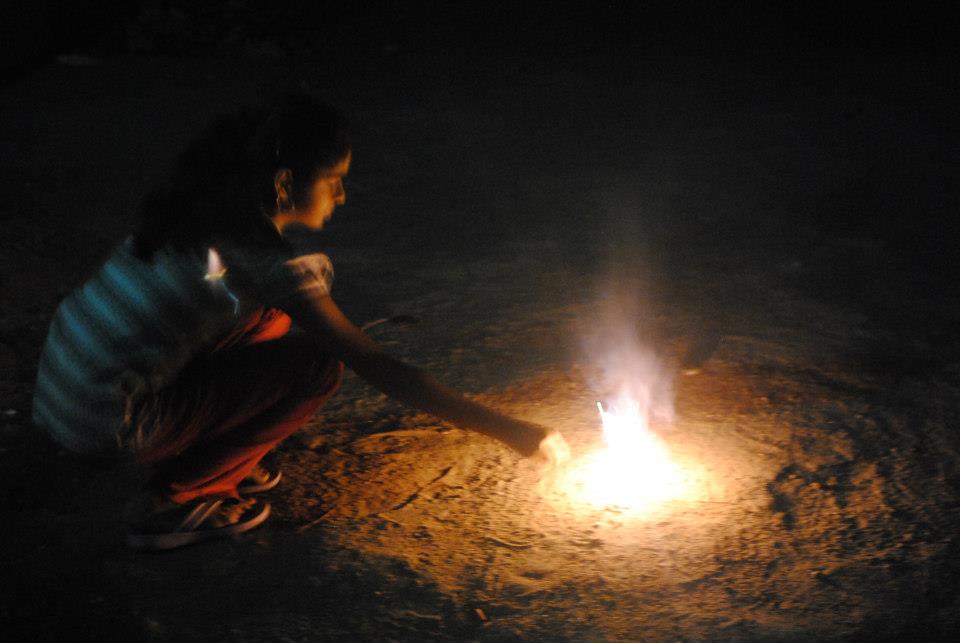
I celebrated Diwali properly while a VSO volunteer with Yuva Rural in India, assigned in Nagpur, east of the state of Maharashtra where I was based. When I say “properly”, that means we lit up some diyas (oil lamps) and firecrackers (although I don’t really light one these days), made (well, watched how they make it for me) rangoli (colorful and beautiful designs people put by their doors or house surroundings), participated in the community events, performed the puja, and ate Diwali food!

Lights and Firecrackers

Diwali, or the Festival of Lights, is being celebrated in India for several reasons, mostly religious. Most commonly (or at least that I was made aware of), Diwali celebrates the return of Lord Rama to his kingdom in Ayodhya after saving his wife Sita from the Demon god and his exile in Sri Lanka. According to the Ramayana, Lord Rama’s return to Ayodhya was welcomed by his loyal subjects and celebrated through the lighting of diyas or oil lamps, hence the “bursting” of fire crackers and lighting of fireworks.

My colleague Ratna was the chief instigator, err, organizer for the simple Diwali celebration at our office. She got this oil lamps. They’re really small!
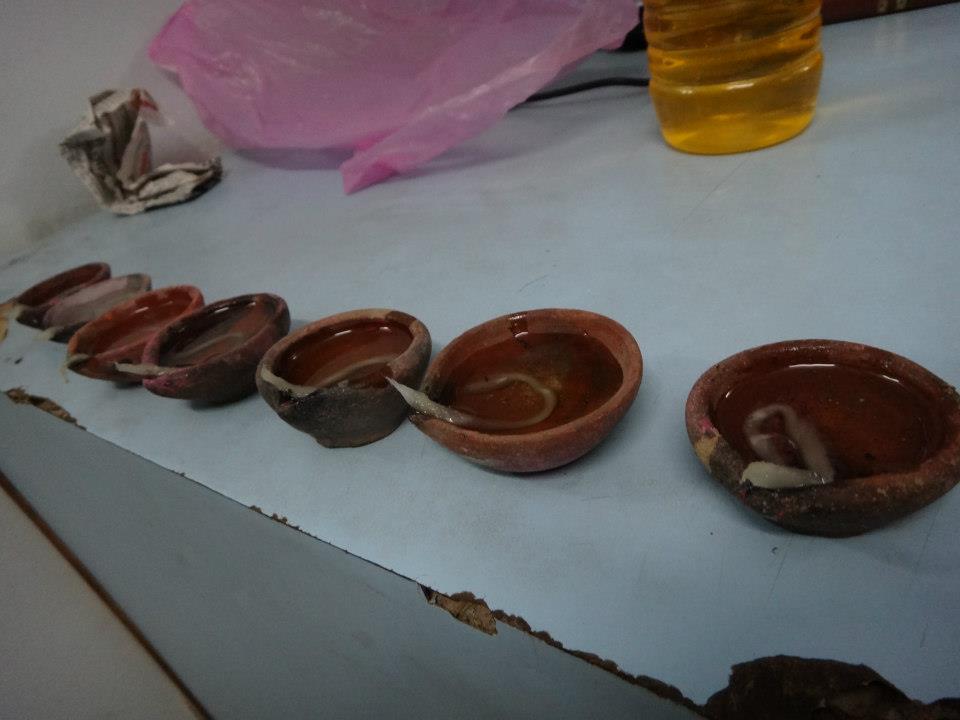
Unlit diyas ready for Diwali celebration
Lit diya at the office (yes, it gets this dark in my area in Nagpur)

She also played as my fairy godmother and draped me into my first saree ever!
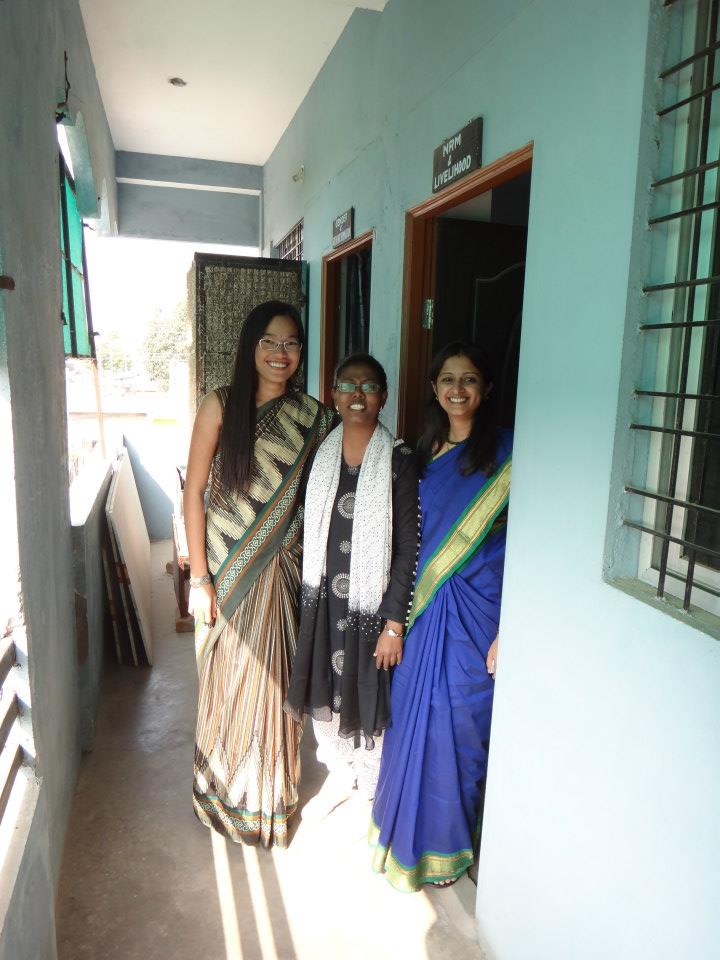
Me in my first saree with Samta and Ratna
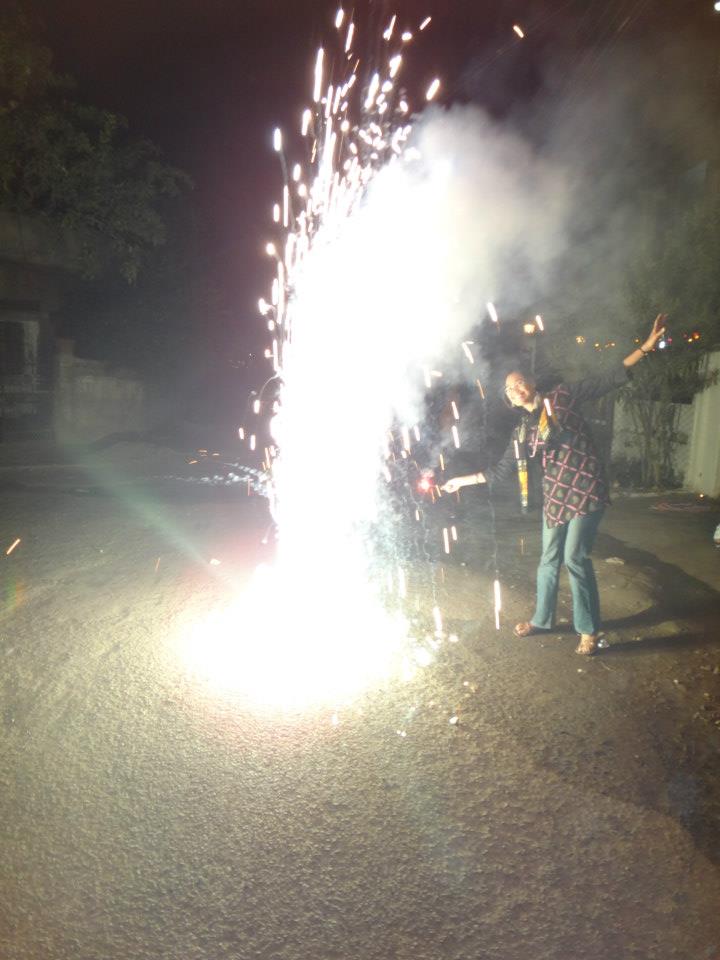
My landlady's daughter Pratiksha lighting firecrackers (Uncle and Auntie were supervising)
My landlady’s daughter Pratiksha lighting firecrackers (Uncle and Auntie were supervising)
Me and the fire fountain!

Prayers, songs and dances

The community temple also played songs (and I guess prayers) all the time (and I mean all the time) during Diwali!

The community temple

They also set-up a pandal (like a stage/platform) wherein prayers were sung and performance were, errr, performed.

I especially liked it when they had the cultural performances of several dances! Every song has meaning of course but I was enjoying too much to ask my translators — the Meshram kids and their friends!

Colors and more colors

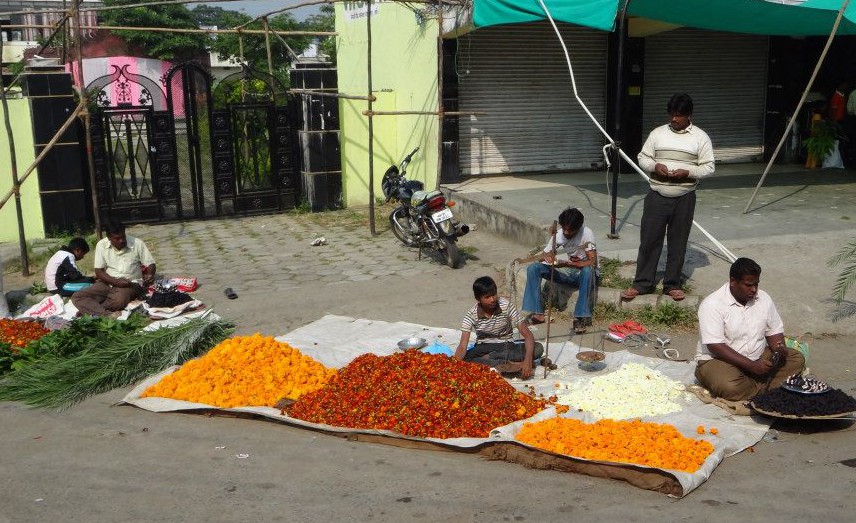
With Diwali comes not only lights and firecrackers but of course, colorful-than-usual idols, rangoli powders and other decorations!

My friend Rahul, who happens to be from Nagpur, invited me to their home which is on another side of town. The trip was worth the wait meeting his family and seeing all the Diwali action!

Idols and diyas sold on the street
Colorful decor store
This decor store is just so…colorful!
everlasting and marigold
Flowers and leaves for idols and pandals
Step 1: Get some colored powder; Step 2: Create your design outline; 3: Steadily "color" the design outline by carefully  "pouring" powder; Step 4: Tada!
Step 1: Get some colored powder; Step 2: Create your design outline; 3: Steadily “color” the design outline by carefully “pouring” powder; Step 4: Tada!

I liked taking pictures of rangoli so much that I took a picture of almost every rangoli I passed by — on the street, by the gates, in a supermarket! Literally, every rangoli, everywhere!

Rangoli! Rangoli! Rangoli!

The Puja and the Food

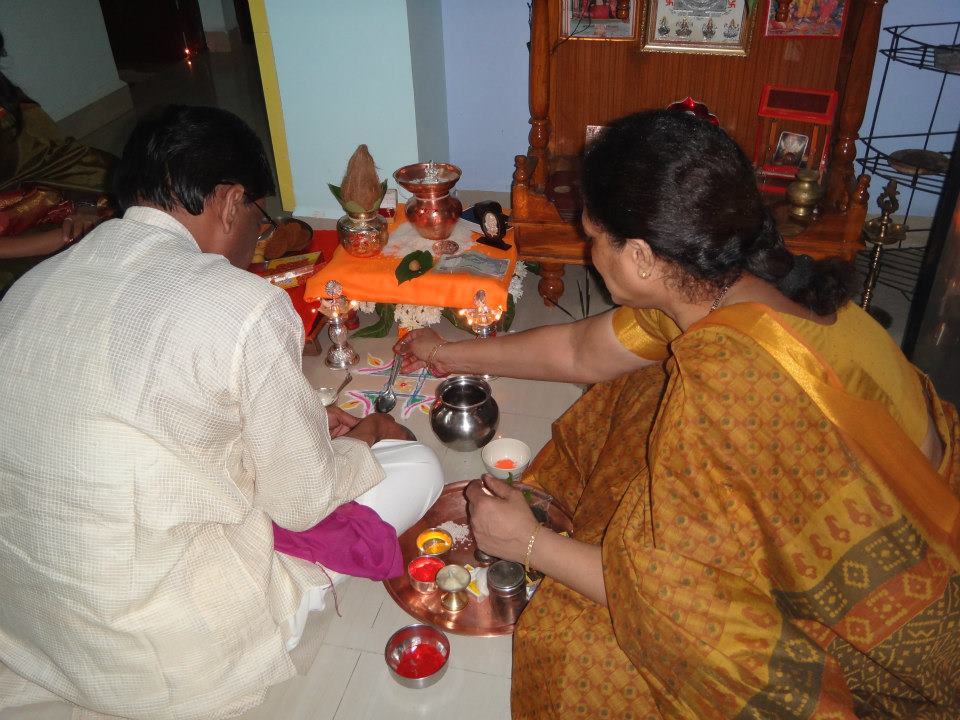
Diwali is also the time to perform Lakshmi puja, a prayer ritual to goddess Lakshmi (and other gods too!) for wealth and prosperity.

Ratnas Neighbors Altar
Ratna’s Neighbor’s Altar – This really isn’t that many considering the 330 million deities of Hinduism!
See all that cash? :D
See all that cash? 😀

So, as part of the celebration, I had my fair share of firecracker bursting and fireworks lighting! And, I observed and participated in a family’s Lakshmi puja and aarti!

puja 1
Uncle, as the head of the family, began the Puja
puja 2
My colleague Ratna performing her part
puja 3
A family that prays together, stays together. Right?!
puja 4
Uncle and Auntie 🙂
puja 6
They had two altars. I think this one is the more permanent in the house.
puja 7
I had to practice several times before I actually performed the puja. I can’t remember what I prayed for but given that I’m pretty happy where I am now, maybe it was granted. Di ba?! 🙂

Of course, an Indian festival, or any other Indian occasion for that matter, is incomplete without food! I got to taste Auntie’s cooking (and Ratna’s too I think!) and that of their neighbor too!
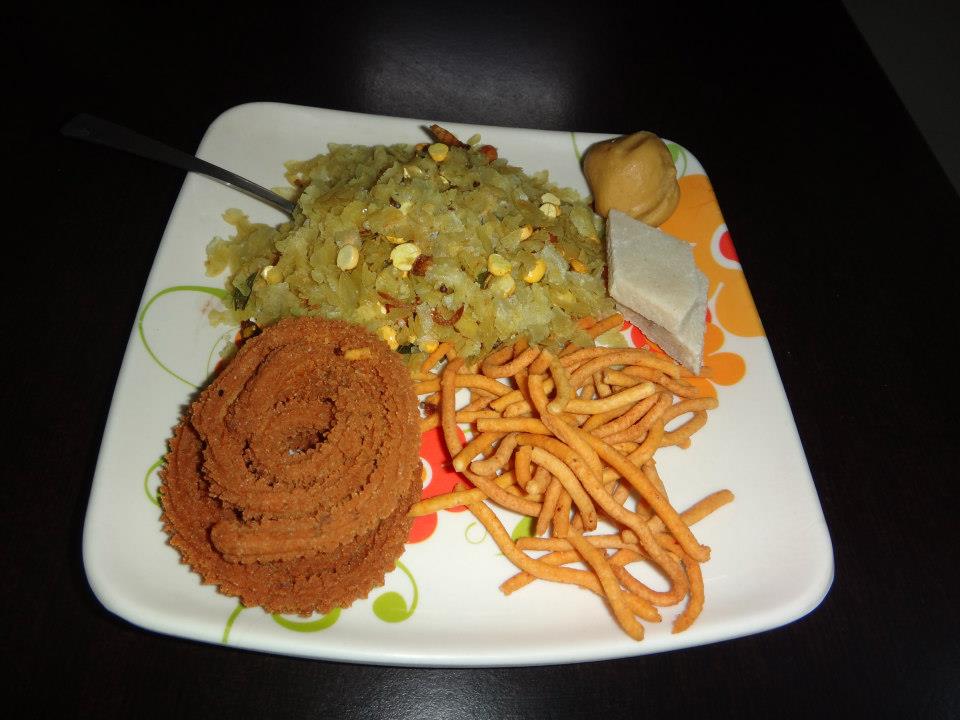
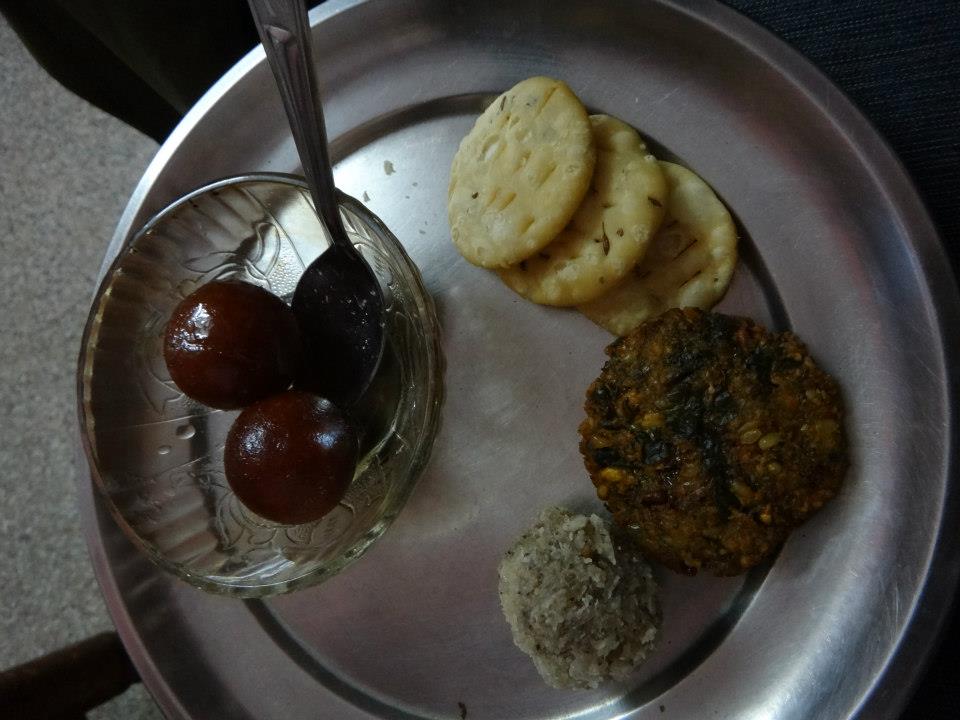
Diwali Food 1
Sweet and savory snacks!
Diwali Food 2
Gulab jamun and savory food at the neighbor’s house
Diwali Food 3
Auntie’s sweet paratha!

Being a foreigner who, even after eight months of living in India by that time, remain unknowing of the many facets of Indian and Hindu culture, I consider myself lucky to have experienced Diwali in a truly Indian fashion! I even got Rs. 100 note from Ratna’s neighbor, since I was the youngest of the visiting people! I felt like it’s Christmas and all my aunts and uncles are giving me money! Hehe 🙂

with ratna family
Yes, I think, even without praying for it, I have already been blessed. 🙂

For this, my heartfelt thanks to my adoptive family the Meshrams, to Datta Sir’s family, my colleagues at Yuva Rural, and Ratna’s family. I probably wouldn’t have experienced Diwali the way I did if not for y’all!

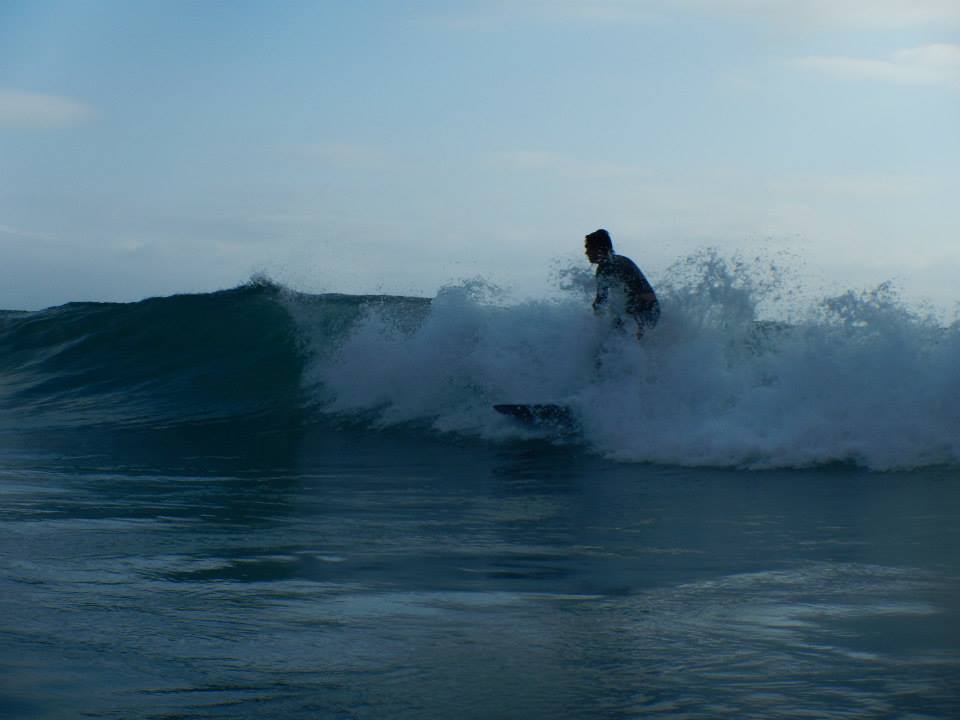
Surfing 101: pic-by-pic beginner’s guide and tips

Surfing is an adrenaline-filled water sport that is increasingly becoming popular among Filipinos, not just for adventure- and thrill-seekers but also for families wanting to try something new and exciting. I never thought I’ll ever be able to go surfing because a) I didn’t realize we have it here; b) I always thought it’s expensive and c) well, I was never sure if I’ll ever be able to stand on my board and look cool like everyone on TV!

10430459_914854338531937_5123573048368504022_n Continue reading Surfing 101: pic-by-pic beginner’s guide and tips

My 26th Year in Travel

I know it’s already five months overdue but still, I would like to write a personal post about my 26th year, highlighting the travels I’ve had and the people I met along the way.

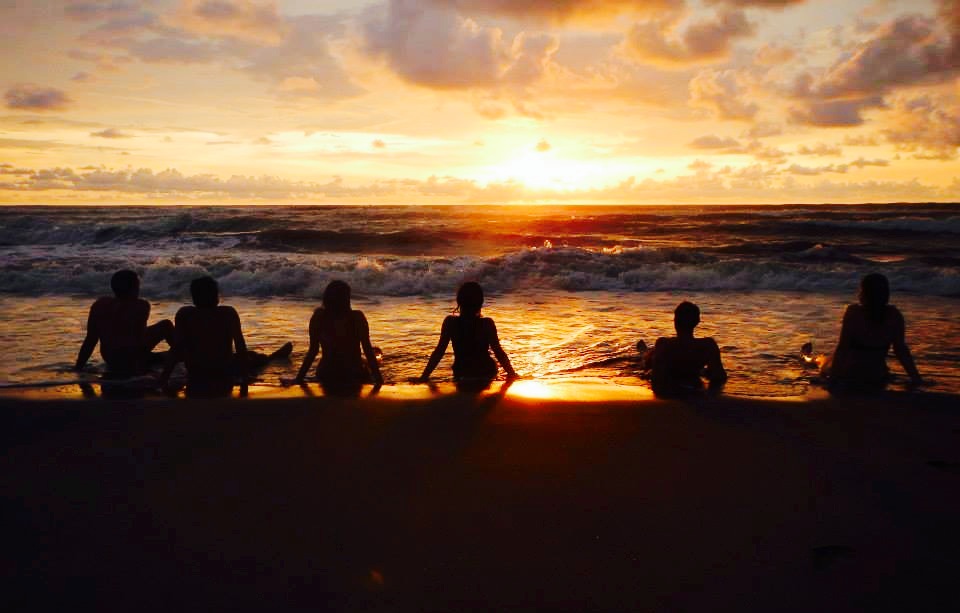
Sunset at Liwliwa

Contrary to my 25th year’s travels which were mainly as a solo backpacker or with a travel buddy, 2013-2014 was more of a group travel kind for me. It’s also during this span of time that I’ve met several important people in my life — from CouchSurfing acquaintances to really great friends, and from total strangers to favorite companions and partners in crime. And yes, ’twas also late last year that I met someone whom I’m looking forward to have more travels and adventures with.

Continue reading My 26th Year in Travel

#100Days Photo 24: Fisherman’s Sunrise, Bolinao, Pangasinan, Philippines

20140806-132930-48570550.jpg


As I’ve mentioned before, it takes a lot of willpower and natural beauty for me to be dragged out of bed at sunrise. Luckily, the scenery in Bolinao is one such wonder that I was able to force myself to step out of my room (I had to anyway coz it’s early work day for farmers’ training) at El Pescador Resort and watch the fishermen go about their business. The water was calm, except for the ripples from a fisherman’s small boat and nets being cast in the sea. It was said that before becoming a hotel and resort by the sea, El Pescador used to be a small fishing village, benefiting from the rich marine life of Bolinao in Pangasinan. It’s not exactly a swimming beach, especially with some kind of seawall separating the waters from the resort area. It is, however, still a nice sight to behold in the morning. I wonder how El Pescador sunset looks like, since Bolinao and Pangasinan generally belong to the sunset magic hour area. (Photo taken 08/31/2010)

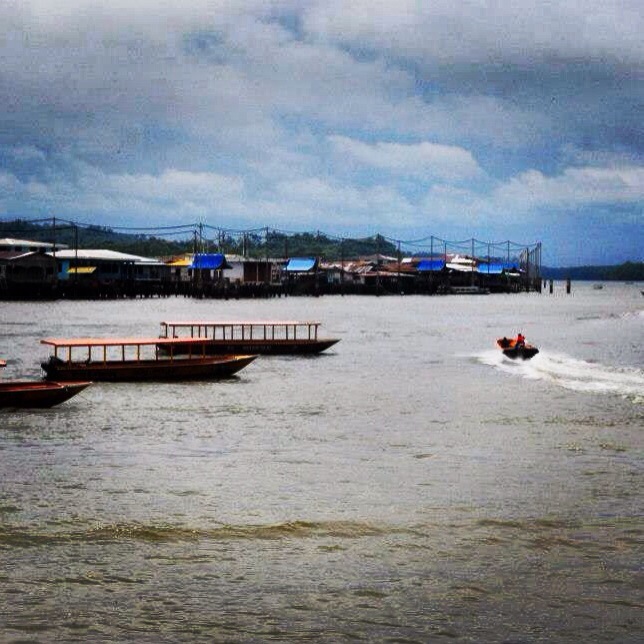
#100Days Photo 5: Kampong Ayer (Water Villages), Negara Brunei Darussalam

20140407-204610.jpg

One of the things I love most about traveling is the learning that comes with it — just like the way I was taught of Brunei’s water villages not from the books but by experiencing it myself! Though there’s no sand and sea (in the sand, sea and sky peg of #100days), the river that flows through Kampong Ayer and the web of water villages in the area deserve some attention and focus too! As Brunei, or at least the Sultan, is among the richest in the world, i didn’t really expect to see water villages as it reminds me of slums in the mega cities. I was, however, amazed at how and why the people of Kampong Ayer, though most likely as rich as the average mainland Bruneians, chose to preserve their history and local heritage by living and thriving in the water villages. To learn more about the water village life, read my blog post on the Kampong Ayer and do some armchair traveling via a walking photo tour and a viahera vlog.>