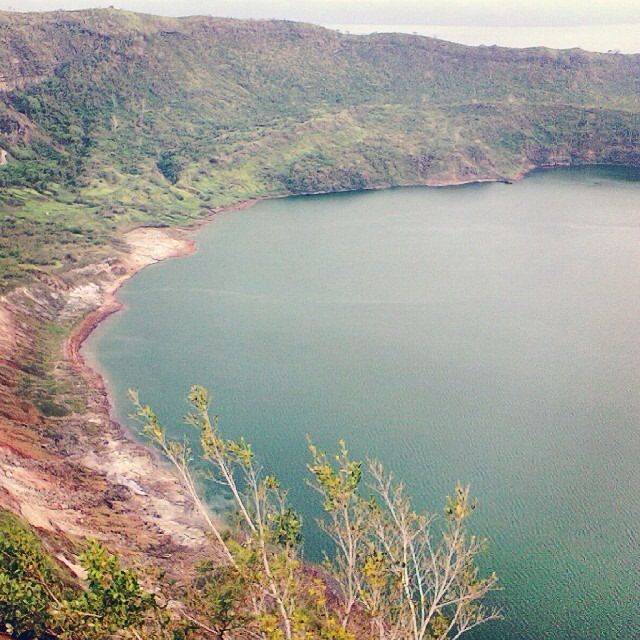
While I’m on a 15-minute break (which I’m not sure I can afford given my day’s to do list) after an official errand and enjoying an expensive coffee for the sake of a planner I don’t even use, I figured now’s as good a time as any to write about the Taal Volcano lakeception! Believed to be the smallest volcano in the world, Taal Volcano is one of the most popular natural wonders in the Philippines, with it’s craters being a lake within a lake within a lake. As a traveler, I’ve always had the image of Taal Volcano as in the picture-perfect crater cone you always see in Tagaytay, a popular highland tourist destination 2 hours or less south of Manila. The thing is, the “crater” we see is apparently nothing but a “dead” big mound of land. The actual crater, shown in this photo, is located in the island at the back (if your viewpoint is from Tagaytay) of the big mound. After a 20-25 minute outrigger boat ride (PhP 1500/5pax, PhP 500 for guide which I think you can skip) from the mainland jump off point and a 1.5 hour easy trek (PhP 50 or 100(?)/pax entry; normally it’s an hour only but we walked leisurely, taking photos now and then), we finally reached the crater. I’ve never been on a volcano before so I didn’t really know what to expect other than that of the photos. And nope, I was not disappointed! The Taal Volcano crater was calm and peaceful, the opposite of the exhilarating and adrenaline-pumping feeling you get when you stand near the edge of the “red lava” area (additional PhP 50)! If you have even just a spare day and especially if you’re with friends, you should totally do the Taal Volcano trek — it was really cool and awesome! 🙂
Category Archives: Provinces
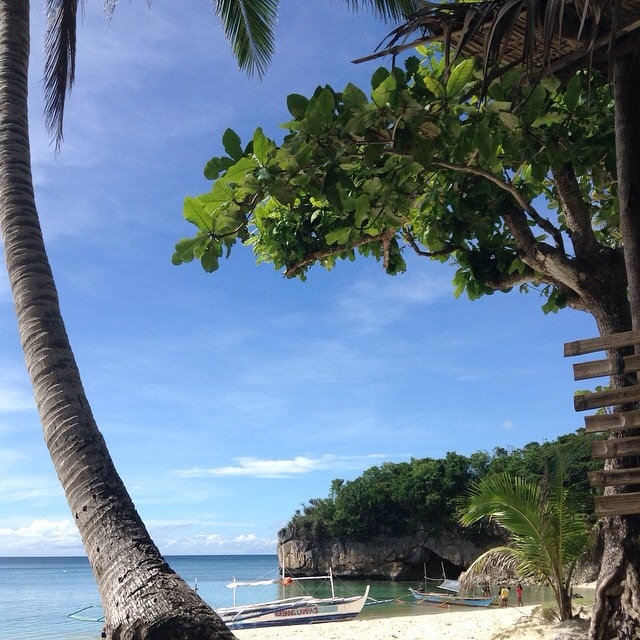
FotoFolio: Rock View Beach Resort, Bolinao, Pangasinan
Since, I was able to resurrect my Banana phone’s* memory card, it gave me a chance to check out the pictures I thought will no longer see the light of day — these pictures of Rock View Beach Resort in Bolinao, Pangasinan are some of them. And, before they get threatened to once again fall into oblivion, let me share these with you.

Continue reading FotoFolio: Rock View Beach Resort, Bolinao, Pangasinan
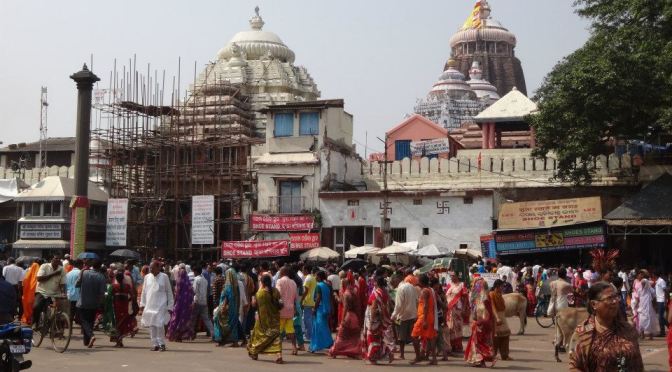
FotoFolio: The Holy City of Jagannath Puri, Odisha, East India
As part of my great East Indian journey where I saw my first snow-capped mountain in Darjeeling and learned more about colonial India in Kolkata two years ago while volunteering in India, I paid my VSO batchmate co-volunteer Sue a visit at her placement area in Puri, Odisha.

Continue reading FotoFolio: The Holy City of Jagannath Puri, Odisha, East India
#100Days Photo 30: Kwebang Lampas and Puting Buhangin Beach, Grande Island, Pagbilao, Quezon
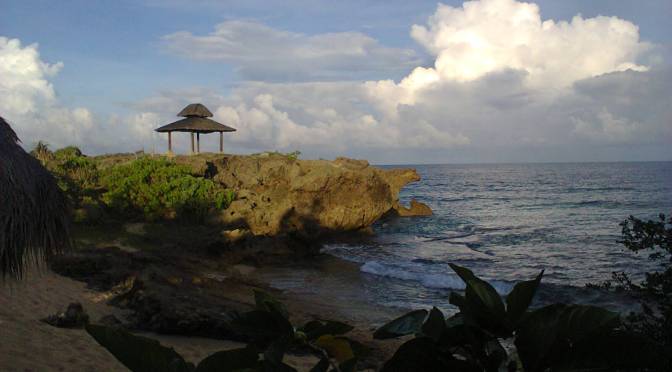
Over the weekend, I had a really fun, active and amazing beach camping trip with fellow CouchSurfers and friends at Grande Island in Pagbilao, Quezon. We played Frisbeach (frisbee at the beach), Tug of War and Takeshi bang bang! Add drinking brandy under the stars, eating smores and Banana de Hanne (chocolate-stuffed char-grilled bananas), playing with magical luminous planktons, and the pleasure of CouchSurfers’ company — yep, an awesome 27th Frisbeach Weekend indeed! Home to the so-called Puting Buhangin (translation: white sand), the Grande Island also has the Kwebang Lampas as it’s main attraction. Kweba means “cave” and Lampas (with the meaning earlier debated in the group) in this case means “through” — you can enter the cave from the main beach on one end and then come out on the other end of the beach. We only went to the cave at low tide so no swimming through for us! We were so enamored (big word! haha) with the beauty of Puting Buhangin –sand so white, sky so blue and water so clear — that we only checked out Kwebang Lampas the morning before we departed!
How to get there: The area where we stayed is not the easiest to reach, especially on public transport. We left the Jam Bus Terminal in Buendia at about 3am (fare P210), arrived at Lucena Grand Terminal at about 7am, had breakfast and then got on a rented jeepney to Pagbilao to do our supplies shopping. From there, we proceeded to Brgy, Ibabang Polo (fare if total commute: P20 (?) to Pagbilao, P35, for Ibabang Polo and 50-100 for tricycle) as our final land transport stop. Towards the end of the Pagbilao Power Station, a coal-fired thermal power plant, we took a short banca (outrigger boat) ride to Grande Island (P185, including camping fee). From this point, and carrying all the supplies, the 18 weekend campers set on foot for about 10 minutes (seemed like forever!) navigating through some kind of forest trail. It was almost 10 or later I think when we finally reached the “entrance gate” of Grande Island. Give or take our stops, that’s about 5-6 hours of travel! But again, the charm and pull of Puting Buhangin and Kwebang Lampas more than compensated for it!
#100Days Photo 27: Bomod-ok Falls aka The Big Falls of Sagada
A few nights ago, some friends and I were talking about Sagada since some of them are planning to go. Of course, one of the top recommendations I can give them is to pay a visit to the Bomod-ok Falls, also known as the Big Falls. How big? Well, it stands 200ft high and at the time of our visit (March), water was really, errr, falling! Bomod-ok Falls, located about 30-minutes on a jeepney or van, is nestled at North Sagada, deep into the rice paddy terraces. How deep? Say an hour’s trek going down from the road to the falls, walking along the rice paddies, passing by villages and stream, and another hour going back up on the other way. Was it worth all the calories burnt? Definitely! If I am to visit Sagada again, I would still pay the Big Falls a visit, observe the villages and rice terraces we will pass by, chill at the secret pool on the left side of the falls (you’d have to do a duck walk or crawl through the gap to get there), brave the almost-90-degrees-buwis-buhay-rocks to go “cliff-diving” on the right side, swim till I can’t feel my toes, and just we awed by Bomod-ok Falls and its majesty.